Social media

Meghan Murphy, Twitter and the new trans misogyny

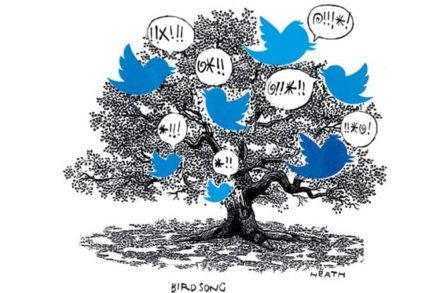
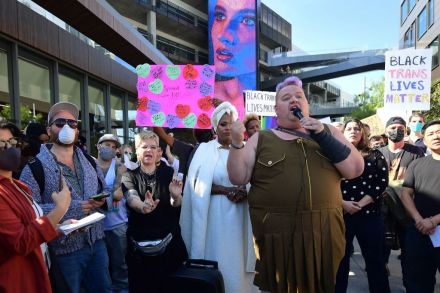
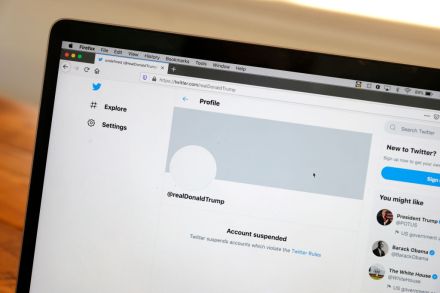
I woke up this morning to a private message on Twitter from a young student. She had been warned that her account would be suspended if she ‘violated the rules’ again. Her crime? Tweeting details of Sheila Jeffreys’s book, Gender Hurts: A Feminist Analysis of the Politics of Transgenderism. Refusing to accept the mantra ‘Trans women are women’ is, in the eyes of many now, a crime, for which there must be punishment. Everyone from massive corporate social media machines to well-meaning liberals seem to be toeing the line. But some of us resist. Meghan Murphy for example, a Vancouver-based feminist journalist, has been permanently banned from Twitter for referring to a man who identifies as a woman as a man.

meghan murphy twitter trans

The trouble with baby boomers and social media

Spending too long online can take its toll, no matter your age. The majority of under 35s grew up squinting at backlit screens with bags below their eyes, poring over forums and AOL Messenger, pornography and Netflix. Yet somehow it’s baby boomers who are the worst victims of the internet: technologically dumb, easily scammed, and often more susceptible to fake news. And it looks as if Cesar Sayoc, the Florida man arrested in connection to the pipe bombs sent to prominent Democrats and left-wing celebrities, is the latest spectacular example of a silver (or in his case, it seems. hairplugged) surfer going off the deep end.

cesar sayoc social media baby boomers

Facebook’s privacy failings are no accident

Remember Nudge? It was a 2008 book by Chicago economist Richard Thaler and Harvard Law professor Cass Sunstein, full of bright technocratic ideas for using ‘choice architecture’ to ‘nudge’ the plebs to make the ‘right’ decisions. The Guardian’s reviewer called it ‘never intimidating, always amusing, and elucidating: a jolly economic romp with serious lessons within’.   On Saturday, the Guardian published a whistleblower’s account of how Cambridge Analytica used data originating from ‘tens of millions' of Facebook profiles to construct choice architecture that could nudge the plebs to really vote the ‘right’ way, by using targetted adverts to swing marginal constituencies to the Republicans.

Kevin Allocca glosses over YouTube’s terrifying power

On 25 April 2005, Jawed Karim sent an email to his friends announcing the launch of a new video site — intended for dating — called youtube.com. Within 18 months, the site was being used to view 100 million videos a day. Last year it had more than a billion users, watching five billion videos every day, with creators uploading 300 hours of video to YouTube every minute. Given this almost incomprehensible scale, it’s fitting that the word Videocracy — the title of YouTube Head of Trends Kevin Allocca’s history of the site — evokes the idea of an authoritarian dystopia. Like any approved account from such a regime, its analysis never strays far from the realms of the vapid or tepid.