Sight & sound

So long, Orson Welles

During his seventy years on Earth, and for much of the nearly forty years since he left it, Orson Welles has managed to rub people the wrong way.  Welles, who was born in 1915 and died in 1985, was plainly a genius: a theatrical impresario whose Mercury Theatre was legendary in its own day; a puckish conjurer whose War of the Worlds radio broadcast misled millions; and a so-called one-man-band who, like few filmmakers before him, combined the jobs of director, producer and actor in such masterpieces as Citizen Kane, Chimes at Midnight and F for Fake.  But this record earned him little credit among the naysayers who hounded him and told us to believe them rather than our lying eyes.
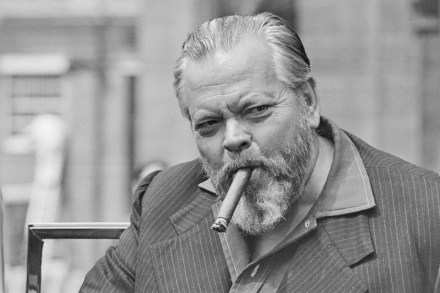
orson welles

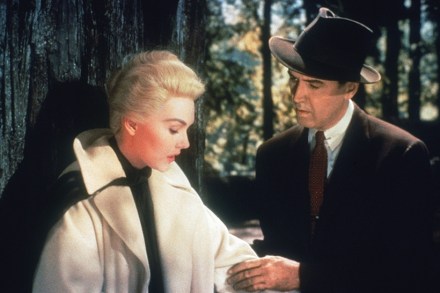
Why does anyone still rate Vertigo and its creepy, wonky plot?

From our UK edition

Here’s something that may interest you. Or not. (Could go either way.) I was looking over Sight & Sound’s ‘100 Greatest Films of All Time’, which has Alfred Hitchcock’s Vertigo (1958) at number one, having knocked Citizen Kane from the top spot in 2012. (That film always did need a more exciting reveal; would it have helped if Rosebud had turned out to be a massive fireball or dinosaur egg?) But back to Vertigo, which is now the best film ever made. Really? That worried away at me. Who rates this film and why? The storytelling isn’t up to much. It drags and drags. (The first half is a dull schlep around San Francisco as we follow the world’s most obvious stalker.) It’s riddled with plot holes. It’s creepy, but not in a good way.