Sensitivity reader

Where will the vogue for censoring our best-loved authors lead?

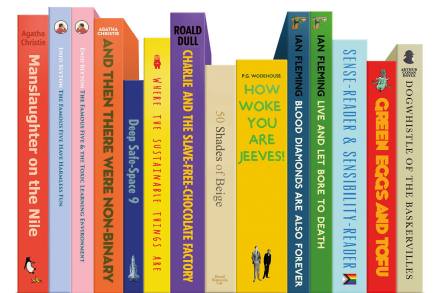
It was recently announced in the Daily Telegraph that the novels of P.G. Wodehouse — much beloved by millions, including me, for their combination of wit and soufflé-light evocation of an England that never really existed but which almost might have done — are the latest to fall foul of that new scourge of writers the world over, the “sensitivity reader.” New editions of Wodehouse’s masterly works Right Ho, Jeeves and Thank You, Jeeves have been reissued with the craven disclaimer “Please be aware that this book was published in the 1930s, and contains language, themes and characterizations which you may find outdated. In the present edition, we have sought to edit, minimally, words that we regard as unacceptable to present-day readers.

authors

Should I have had a sensitivity reader review my book?

Reason magazine reported last summer on the rise of sensitivity readers, and publishers have made headlines for their plans to release sanitized versions of Roald Dahl's and Ian Fleming's works. I’m not sure what’s more depressing: the fact that publishers are hiring sensitivity readers to purify these books, or the fact that I probably should have had one review my books before they were published. In an ideal world, sensitivity readers would be in as much demand as Betamax repairpersons. But we do not live in an ideal world. We live in a world full of hypersensitive Twitter users who relish finding offense in the unlikeliest of places. Hence the proliferation of sensitivity readers, or "authenticity readers" as they’re sometimes called.

sensitivity