Section 230

Congress’s latest assault on internet freedom

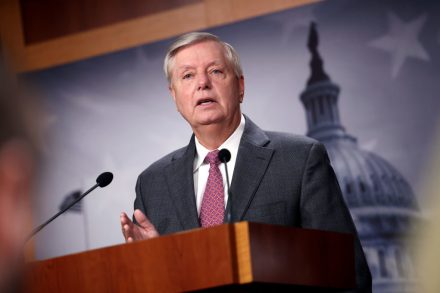
Another assault on internet freedom and constitutional rights is underway this week as the Senate Judiciary Committee considers the EARN IT Act of 2022. The bill is presented as a potential solution to internet luring by creating a new National Commission on Online Child Sexual Exploitation Prevention. The nineteen-member commission is tasked with coming up with best practices that internet companies can adapt to allegedly keep children safe from online predators. Yet tucked in the bill are more changes to Section 230 of the Communications Decency Act, the law that keeps online platforms from being civilly liable for hosting and moderating third-party content. The first change involves reaffirming that victims of child sexual abuse can civilly sue interactive computer services.
lindsey graham earn

A New York senator declares war on the First Amendment

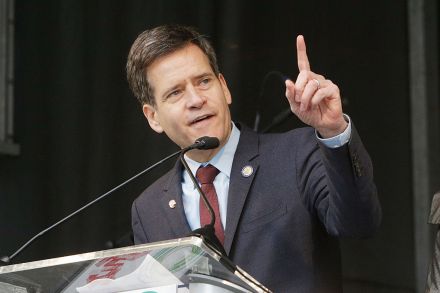
A new year, a new assault on free speech in America. New York Senator Brad Hoylman claims that legislation he's introduced into the state senate targets Big Tech algorithms to keep them from promoting “controversial and harmful content.” Yet the bill seeks to “protect” public health by making almost any social media comment going against Hoylman’s beliefs illegal. Hoylman passes himself off as a defender of the public good by vowing to take on Big Tech, which he accuses of profiting by deliberately stoking controversy. He specifically mentions anti-coronavirus vaccine posts “as a false statement of fact or fraudulent medical theory that is likely to endanger the safety or health of the public.

Both parties want to control what you say on the internet

The long slog towards government regulation of social media is snaking its way towards reality. The House and Senate hold hearings this week on bills enacting rules on Facebook, Twitter, TikTok and YouTube. Many of these proposals revolve around Section 230 of the Communications Decency Act, a rather innocuous 1996 law protecting online platforms from civil liability for hosting and moderating third-party content. Section 230 includes language praising “the vibrant and competitive free market” existing for the internet and tech companies, without state or federal government rules. It’s all about to change twenty-five years later, with both major parties seeking to get their pound of ideological flesh from Big Tech.

control

House Republicans accuse Democrats of ignoring censorship in Big Tech report

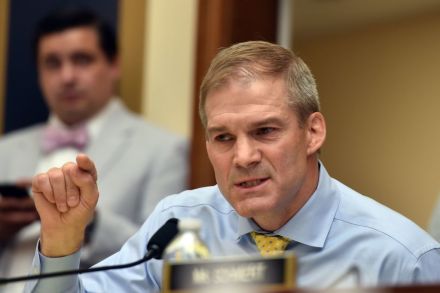
Republicans on the House Judiciary Committee are releasing their own report on Big Tech on Tuesday, countering a Democratic report that they accuse of being too radical in its antitrust proposals. The Democrats' draft report, which leaked on Twitter earlier in the day, accused Big Tech companies of engaging in anti-competitive behavior and called for a massive antitrust shakeup of the industry, including preventing Google from owning YouTube and prohibiting Amazon from selling its own products on its marketplace platform. Rep. Ken Buck called these proposals 'non-starters for conservatives'. The Republicans' report, which is signed by Ranking Member Jim Jordan and Reps.

big tech

Why corporations should not bow to the mob

Some of America’s biggest businesses are withholding their ad spending from social media sites, in order to pressure these platforms into restricting or fact-checking posts from conservative users — under the guise of ‘opposing hate online’. On Friday, Unilever, the company behind household brands Lipton, Dove, and Axe, announced it would stop buying ads on Facebook, Instagram, and Twitter to encourage those sites to be a ‘trusted and safe digital ecosystem’. Unilever joined several other major brands boycotting social media advertising, such as Coca Cola, Denny’s, Honda, and Starbucks. This corporate pressure campaign is an unfortunate example of businesses bowing to the online mob.

corporations