SCOTUS

Is the Supreme Court poised to protect the Fed from Trump?

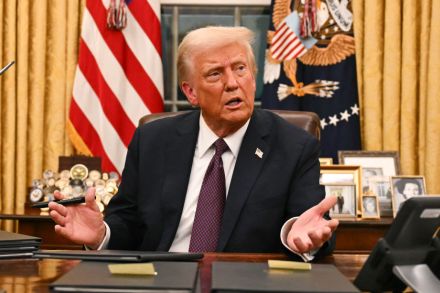
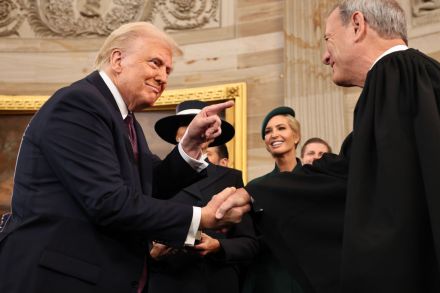
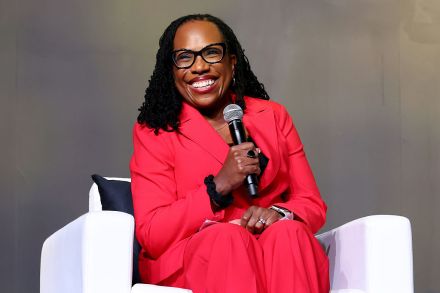
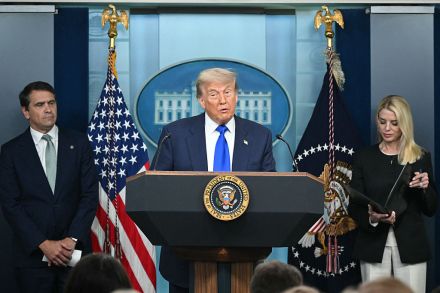
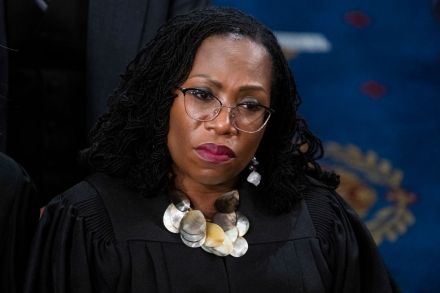
Rarely has the ideologically divided US Supreme Court seemed so much on the same wavelength. And that is not good news for President Trump. In arguments Wednesday in a case that centers on President Trump’s authority to fire members of the Federal Reserve, the US central bank, both Republican and Democratic appointees suggested giving the president unfettered control would harm financial markets and damage public confidence. “Your position – no judicial review, very low bar (for dismissal) and that the president alone makes the determination – would weaken if not shatter the independence of the Federal Reserve,” said Justice Brett Kavanaugh in an exchange with US Solicitor General John Sauer,

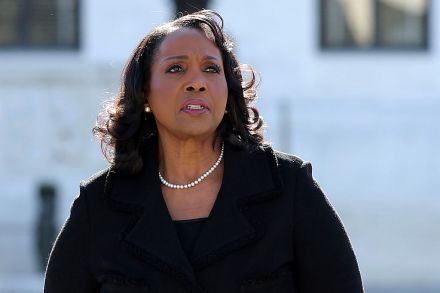
Lisa Cook

The trouble with Jerome Powell

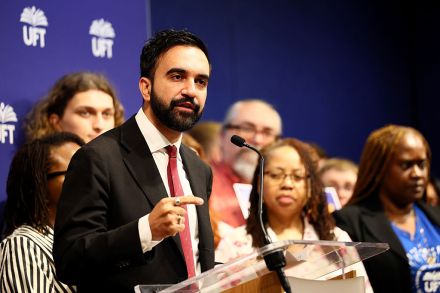
Lost in the hysterical media bleating about a new criminal investigation into Jerome Powell is any attempt to report fairly on his alleged transgressions. The singular lens through which the investigation is being reported in many openly and not-so-openly left leaning outlets is that it is Donald Trump’s revenge after Powell refused to do as instructed and lower interest rates But the aperture needs to be widened to see the full picture: the case is about more than the Chair of the Federal Reserve not bending the knee. It is about Powell’s competency as the nation’s chief money man after presiding over the central bank’s vast and scandalous renovation project

Powell

How the Supreme Court could sway the midterms

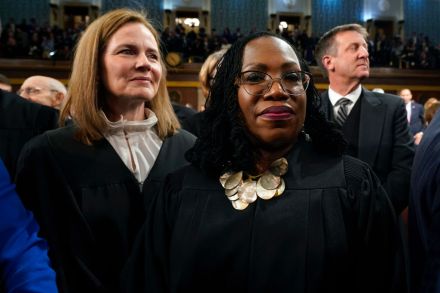
Each Supreme Court term typically includes at least one explosive case that inflames political passions and captures the public imagination. When the court overturned Roe v. Wade in 2022, or when it greatly broadened presidential immunity, as it did last year in Trump v. the United States, or when it ruled against race-based college admissions in 2023, it reaffirmed its centrality and reminded voters that it mattered. As it happens, very few Americans can name the chief justice of the Supreme Court of the United States (surveys show it is consistently under 16 percent), but most know instinctively the high court’s opinions deeply impact governance, politics and culture. Before the

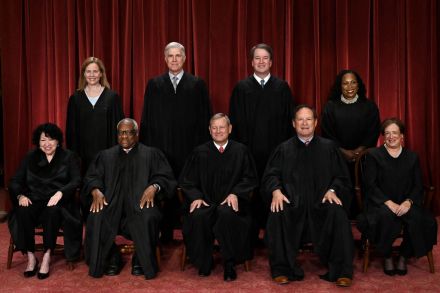
Supreme Court