Sam harris

Fall of the godless

No religious season passes without it being insulted by the kind of person who lives in fear that somewhere some believer is not having his faith offended by someone to whom faith itself is offensive. This Eastertide was no exception. On Good Friday, which coincided with the first night of Passover, the New York Times printed an essay by a former yeshiva student proposing that in this year of violence and suffering it would be best to “pass over” God, adding, “Killing gods is an idea I can get behind.” This sort of village-atheist raspberry — which largely disappeared during the twentieth century along with American villages themselves — has enjoyed something of a revival early in the twenty-first century with the appearance of the so-called New Atheists.

atheists

Comfortably numb: Sam Harris on meditation

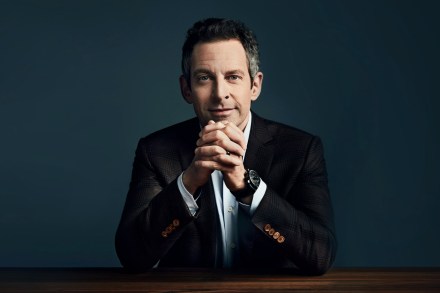
Sam Harris has been in several tangles in his busy career. This is to be expected from a leader of the New Atheist movement, a vocal critic of Islam (he called the term ‘Islamophobia’ a ‘pernicious meme’), a member of the Men’s Movement (shocker: some non-men found it anti-woman), and a gleeful saboteur of the notion of free will. But for years now, Harris has been using his background in neuroscience and meditation to help people untangle their minds through his podcast Making Sense. It’s hard to find a podcast about meditation that is not made by or for quasi-spiritual, anti-vaxxer yoga moms. Making Sense is for the more serious inquiring mind. Harris, dry and wry, discusses not only meditation but philosophy, science, politics and ethics.

sam harris

An autopsy of the Intellectual Dark Web

Exactly two years ago, on May 8, 2018, Bari Weiss published an essay in the New York Times titled ‘Meet the Renegades of the Intellectual Dark Web’. Describing a subculture of liberals, conservatives and disaffected leftists who were engaging in conversations about free speech, left-wing censoriousness and un-PC subjects like sex differences and transgenderism, Weiss described three common features of these different people:‘First, they are willing to disagree ferociously, but talk civilly, about nearly every meaningful subject… Second, in an age in which popular feelings about the way things ought to be often override facts about the way things actually are, each is determined to resist parroting what’s politically convenient.

intellectual dark web