Salem

A warm welcome in Salem from women and witches

Pulling up at Marblehead’s Harbor Light Inn, my oldest friend and I wasted no time securing two counter seats at the Tavern tucked inside. A Christmas tree twinkled incongruously as we planned the hallowed pilgrimage most travelers reserve for spooky season: the next day we’d make the twenty-minute drive to Salem, the scene of the infamous witch trials of 1692. Peeling ourselves away from this glorious little seaside B&B, replete with canopy beds and resplendent fireplaces, would be harder than expected. “Excuse the smell! We’ve been baking all day,” said general manager Carolyn as we caught a waft of banana bread.
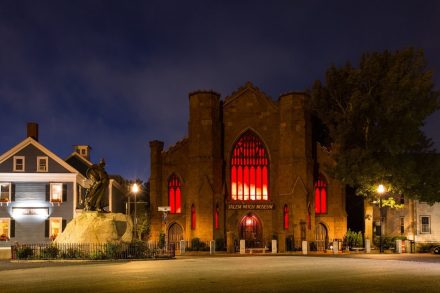
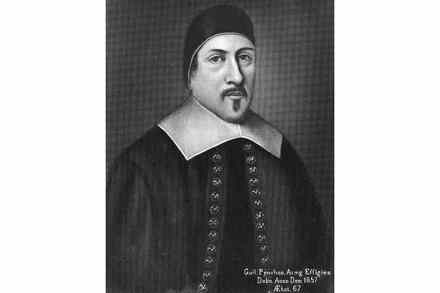
Mass hysteria in Massachusetts: the 17th-century witch crisis in America

From our UK edition

One September day in 1649, in the frontier town of Springfield, Massachusetts, Anthony Dorchester returned from church to the house he and his wife shared with a couple called Hugh and Mary Parsons. He went to check on a cow’s tongue he was boiling for dinner but to his surprise it wasn’t in the pot. He searched high and low but couldn’t find it. Mary told him that her husband had sneaked off mysteriously on the way to the meeting house and was now nowhere to be seen. Given that the two men had argued about possession of the tongue, the obvious conclusion would surely be that Hugh had stolen it. But for Dorchester and his neighbours a more plausible explanation was that Hugh had made it disappear through the ‘juggling’ of witchcraft.