Romanovs

A brief history of parties

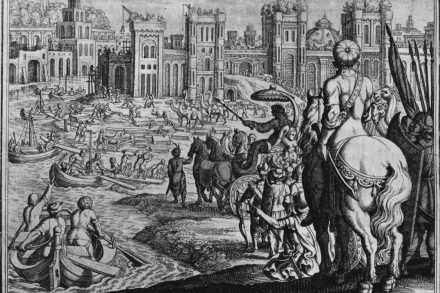
As Enoch Powell pointed out, “all political careers end in failure.” More often than not, those failures are self-inflicted. Without Partygate, for example, Boris Johnson might still be Britain’s prime minister. Although the debacle may not have been the final nail in his professional coffin, it certainly arranged the wake. His fans and critics alike were infuriated by the idea of public servants living it up while the rest of the nation was locked down during Covid in May 2020. That sort of scandal, however, is nothing new — anger at Partygate is nothing to some earlier episodes in history. Alexander the Great was an Olympian boozer who habitually went on weeklong binges after subjugating his enemies.
history

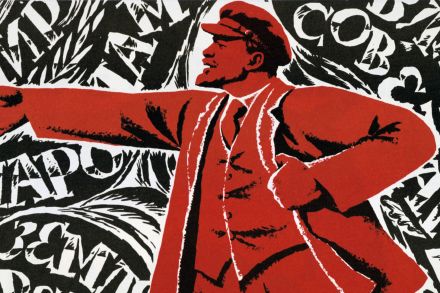
In seven years, Lenin changed the course of history

From our UK edition

The upheavals convulsing the Russian empire in 1917, Victor Sebestyen argues convincingly, were the seminal happenings of the past century. From them directly stemmed the second world war, the Cold War, the collapse of European imperialism and the dangerous world we inhabit today. There are many weighty modern accounts of these epochal events by historians such as Richard Pipes, Robert Service and Orlando Figes, and it is these that Sebestyen chiefly relies on in this brisk, well-informed and chilling account. He makes no pretence of original research. How did Trotsky’s childlike vision become a nightmare system, dependent on evil, oppression and violence?

The art and science of Fabergé

From our UK edition

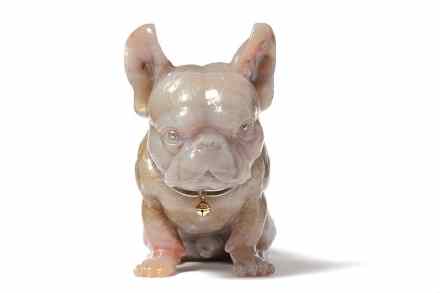
After all the magnificent presents she’d received from his workshop, Queen Alexandra was eager to meet the most famous jeweller in Russia. ‘If Mr Fabergé ever comes to London,’ she said to Henry Bainbridge, a manager of the design house, ‘you must bring him to see me.’ Peter Carl Fabergé paid a rare visit to the capital to inspect his new shop — the only one located outside the Russian empire — at 48 Dover Street in 1908. ‘The Queen wants to see me! What for?’ he asked an exasperated Bainbridge. ‘Well, you know what an admirer she is of all your things.’ Insisting that she would not wish to be troubled, Fabergé demurred, polished off his lunch and requested the time of the next train.