Roger Wicker

Bezos dines with Trump after dicing up Opinion page

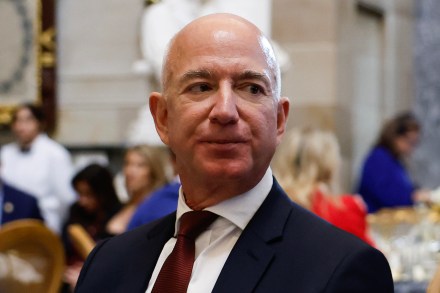
“We are going to be writing every day in support and defense of two pillars: personal liberties and free markets,” wrote billionaire Jeff Bezos in a Wednesday note to the staff of his newspaper, the Washington Post. “We’ll cover other topics too of course, but viewpoints opposing those pillars will be left to be published by others.” The missive from on high sent shockwaves around the capital. David Shipley, the Post’s Opinion editor, stepped away from his role over the new directive. Libertarian magazine Reason had a field day: “If this sounds like something you might want to read, may I suggest @reason where we’ve been doing this since 1968?” wrote editor-in-chief Katherine Mangu-Ward.
jeff bezos

Say no to Democrats’ latest attack on Big Tech

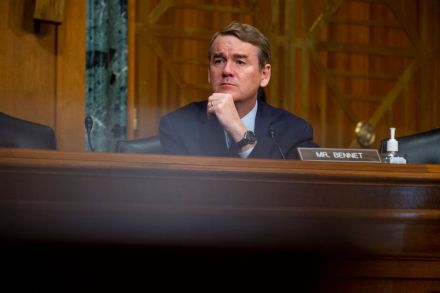
A new proposal from Senator Michael Bennet would effectively put unelected bureaucrats in charge of Big Tech. Bennet, a Colorado Democrat, sees a suggested five-member panel, called the Federal Digital Platform Commission, as a needed brake on the growth and reach of technology companies. “Although the Federal Trade Commission and the Department of Justice have done admirable work to enforce existing antitrust and consumer protection laws, they lack the expert staff, resources, and tech-oriented culture necessary for robust and sustained oversight,” Bennet remarked. “Both bodies to date have acted reactively to challenges raised by Big Tech, when proactive, long-term rules are needed.

Congress comes together to hate on Daylight Savings Time

Count Cockburn among the many skeptics of daylight savings time. One minute he's setting his alarm for his usual wakeup call of 1 p.m., the next he's being jolted out of a deep REM cycle at what should be the ungodly hour of noon. Thankfully Cockburn and the many other DST detesters out there have found a champion in Marco Rubio. The Florida senator recently introduced the Sunshine Protection Act, which would make Daylight Savings Time permanent nationwide (right now only Arizona and Hawaii don't observe). That would mean no more setting back the clocks in November only to jump them ahead in March, no more of those sudden and surprising and sunny springtime evenings.