Robert redford

How F. Scott Fitzgerald anticipated our modern age

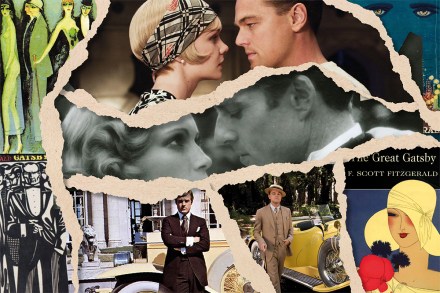
It has never been easier, or less rewarding, to be a Great Gatsby bore. As the book that is frequently, and speciously, cited as the Great American Novel — perhaps because, at around 180 pages, people have bothered to read it — turns 100 this month, it has become the byword for a certain kind of middlebrow literary appreciation. Even people who are barely aware of the novel know certain images and lines, such as the omnipresent lighthouse, “So we beat on, boats against the current, borne back ceaselessly into the past” and the whole Ralph Lauren-esque visual aesthetic that F. Scott Fitzgerald appeared to anticipate. The novel, published in April 1925, has achieved the impossible by breaking free of the page and reverberating across the world in a kind of endless meta-narrative.
Gatsby

Elections are always better in the movies

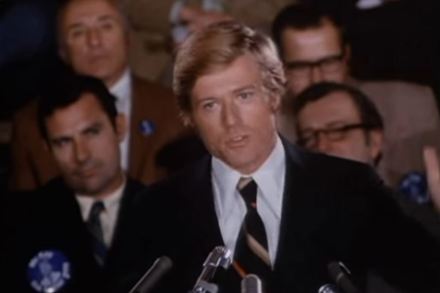
As the midterm elections loom, there is the usual excitable commentary about what it all means. Every voter will have their own heroes and villains, the dashing white knight and the looming bogeyman. The complexities of the wider sociopolitical issues at hand will be subsumed to simple questions: will the results encourage Trump to run in 2024? Is this curtains for Kamala’s presidential ambitions? These are, of course, over-simplifications of difficult and nuanced issues. This is why the movies have inevitably dealt better with the drama (and farce) of fictitious — or at least fictionally disguised — election campaigns.

Sundance memories

In 1969 Robert Redford purchased 5,000 acres of land in the mountains of Utah and built a ski resort. In 1981 he founded the nonprofit Sundance Institute to cultivate new voices in American independent film through annual directing and screenwriting labs (alumni include Quentin Tarantino and Paul Thomas Anderson) and to provide financial support for select projects. In 1985 Redford took over the US Film Festival, based in nearby Park City, and brought it under the Sundance umbrella. In 1989, the festival had its breakthrough with Sex, Lies, and Videotape. Sundance became a film-industry fixture for talent scouts, acquisitions executives and journalists, particularly those inclined to go skiing in their downtime.

sundance

Another Robert Redford obituary for the heroic white misfit

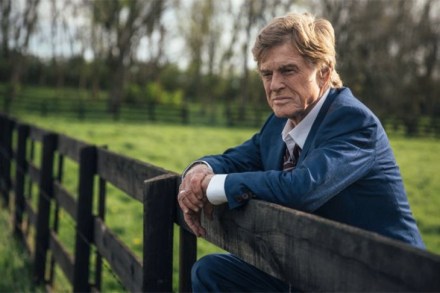
The Old Man and the Gun is a second farewell to film for Robert Redford. His first farewell, All is Lost (2013), made occasionally heavy weather of allegory on the high seas — the lone American yachtsman, asleep in his cabin despite the storm warning of 2008, springs a leak when his boat collides with a Chinese shipping container. This time, Redford is back on American soil, and on familiar ground, as the geriatric bank robber Forrest Tucker. After an allegory about the old man and the sea, the myth of The Old Man and the Gun. In Oklahoma in the early 1980s, Forrest meets the widowed Jewel (Sissy Spacek) when her car has broken down and his is being pursued by the police.

robert redford the old man and the gun