Recreational marijuana

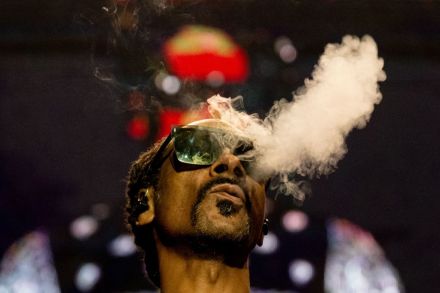
Snoop Dogg really quitting weed would be a huge public service

My phone screamed on the bedside table at 4:30 a.m. I’d been playing poker at a home game in Culver City until late in the night, so I didn’t answer, and I also didn’t answer the other six times it rang in the next two hours. When I finally woke up, I had a text from the “BBC OS” asking if I could talk. “What is the BBC OS?” I wondered. Then I realized it was the actual BBC’s Overnight Service. Still, why were they calling me at dawn? And then when I went online, I realized they wanted to know my thoughts about the fact that Snoop Dogg had announced, on his Instagram, that he, “after much consideration and conversation with my family ... decided to give up smoke.” He accompanied this announcement with a photo of himself, hands in prayer, looking quite plaintive.
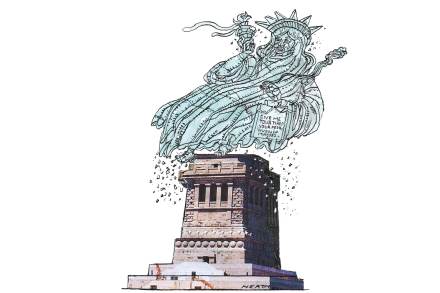
Americans are watching legal weed’s promise go up in smoke

When Colorado became the first state to legalize marijuana for recreational use in 2014, expectations were as high as its users. For decades activists, investors and lobbyists assured Americans that the legalization of marijuana would displace the black market, generate an influx of tax revenue to finance schools and hospitals, halt senseless arrests and improve racial equity, all without attracting the attention of kids. In the run-up to legalization in Colorado, officials projected a $70 million jump in tax revenue from the hundreds of marijuana and THC products in newly minted dispensaries and licensed shops and budgeted accordingly. They learned quickly that the expectations didn’t live up to the reality, bringing in around $44 million in its first full year in operation.

marijuana