Ragtime

The passage of Ragtime

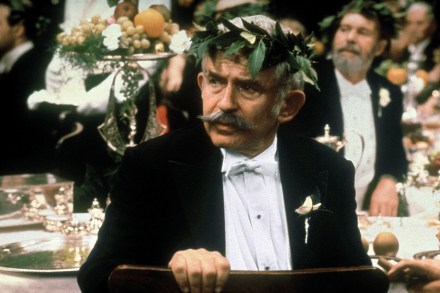
Back in the winter of 1980, a young Martin Amis found himself on the London set of Miloš Forman’s movie Ragtime. The plan was to inspect what Norman Mailer, whom Amis was profiling for the Observer newspaper, was doing with the part of Stanford White, the real-life architect murdered by the deranged husband of New York chorus girl Evelyn Nesbit. Impressed by the lavish million-dollar backdrop, Amis looked on as the nattily dressed and neatly bewigged author of The Executioner’s Song, accompanied by his sixth wife, Norris, made his way into a reconstruction of Madison Square Garden.
Ragtime

The golden days of Greenwich Village

From our UK edition

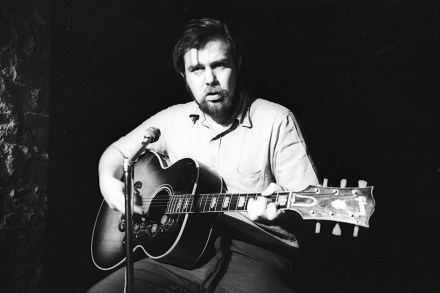
This multitudinous chronicle is not the story of the folk music revival. Rather, it’s not only the story of the folk scene in Greenwich Village from the late 1950s through the early 1980s. Ambitiously, sometimes overwhelmingly, but always fascinatingly, David Browne – a senior editor at Rolling Stone – composes his book of interconnected stories stemming from jazz, blues, folk, folk-rock and all the complementing, competing musical genres that could define what’s been played in the basement nightclubs and coffee houses in this small area of New York City since the early 20th century. He takes his title from the talkin’ blues, the direct ancestor of rap, and he is, like the writers of those blues, a born storyteller.