Racial preferences

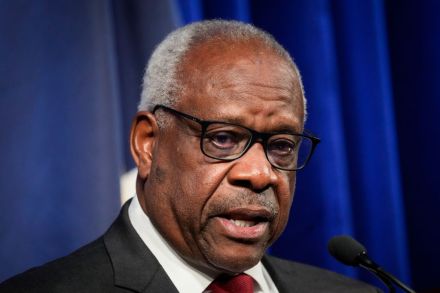
Clarence Thomas is no hypocrite

Anyone looking for a villain in the Supreme Court’s decision to strike down decades of affirmative action precedent will find one in Clarence Thomas. Critics have long found Thomas’s politics vexing in light of his race, a frustration that has only grown more pronounced as the affirmative action decision drew near. To hear his detractors tell it, Thomas was himself the beneficiary of affirmative action policies, both as an undergraduate at the College of the Holy Cross and later at Yale Law School. That Thomas could have such an experience and still strike down race-based admissions policies seems to make him a hypocrite — and an ungrateful one at that.
Inside the legal fight for a race-neutral America

Four billion dollars in debt relief for black farmers only. Special stipends for Black, “Latinx” and Native American entrepreneurs. Minority- and women-owned restaurants prioritized for pandemic recovery funds. School admissions policies designed to reduce the number of whites and Asians. Racial preference programs have become ubiquitous in American society. When was the last time you filled out an official form without being asked to disclose your race? In the name of ending racism, we have been divided and labeled according to vague and outdated racial classifications that are then used to benefit certain groups at the expense of others. Is there hope for a more race-neutral America?

race-neutral

The latest smear campaign against Clarence Thomas

Justice Clarence Thomas and his wife Virginia (Ginni) made the cover of the New York Times Magazine on February 27 amid an eleven-page article titled “The Long Crusade of Clarence and Ginni Thomas.” The authors are Danny Hakim and Jo Becker. It is in essence a hit piece, and the latest of several in the left-wing media aimed at undermining the legitimacy of Justice Thomas’s jurisprudence. The first salvo came in late January from Thomas’s long-time antagonist Jane Mayer in The New Yorker, but other eager journalists have stepped through Mayer’s muddy footprints. Three of their publications — the New Yorker, the Guardian, and CNN — contacted me because Ginni Thomas serves on the advisory board of my organization, The National Association of Scholars (NAS).