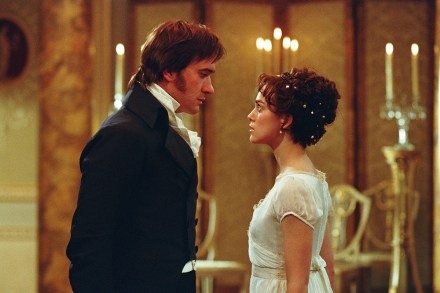
Pride and prejudice

Pride and Prejudice retold in a thousand different ways

‘It is a truth universally acknowledged that any essay about Jane Austen… must be in want of a poorly rendered paraphrasing of her most famous opening lines,’ writes Ella Risbridger in this sharp, gleefully obsessive field guide to romantic fiction. For her, Austen is the genre’s ‘mother’, and she crisply notes that while George Eliot disparaged ‘silly novels by lady novelists’, ‘she does appear to have read a lot of them’. Risbridger is the author of two cook books, including the award-winning Midnight Chicken (and Other Recipes Worth Living For); a children’s novel, The Secret Detectives; and the editor of anthologies of poetry and food writing. She has read a

Leave our period dramas alone!

It is a truth universally acknowledged that any article about Jane Austen must begin with a mangled, platitudinous variation on her most famous line. Irritating though this is, it’s rather a good metaphor for the state of the wider treatment of Austen – and her near contemporaries – by popular culture. When it comes to adaptations of novels from the Georgian, Regency and Victorian periods, and even longer ago, we find ourselves in a deep trough. If you want mangled, platitudinous variations, you now need look no further than today’s costume dramas. And this year being the 250th anniversary of Austen’s birth, we should brace ourselves for a barrage of

An affectionate exercise in comic sabotage: Pride & Prejudice* (*sort of) reviewed

Let’s be honest. Jane Austen is popular because War and Peace doesn’t fit inside a handbag. Austen’s best-loved novel, Pride and Prejudice, has been updated in a fetching new production that treats the sacred text as a screwball comedy. The fun starts before curtain-up with the cast of five girls messing about on stage and struggling with a chandelier that almost shatters but doesn’t. This improv bit is irritatingly predictable. Then the show begins and the girls start to curse, laugh and pontificate their way through the tale. We get a feminist lecture explaining that Mrs Bennet’s predicament owes itself to the laws of bequest that prevented women from inheriting

Superb but depraved: BBC1’s The Serpent reviewed

The Serpent is the best BBC drama series in ages — god knows how it slipped through the net — but I still think it most unlikely that I shall stick it through to the final episode. It’s not the style that’s wrong but the subject matter: do we really want to spend eight hours of life in the company of a smug, ruthless serial killer who murders at least 12 people — and more or less gets away with it? Up to a point The Serpent has addressed this problem by trying to make the central figure not the killer, Charles Sobhraj, but the persistent Dutch junior diplomat, Herman