Pluralism

The making of America

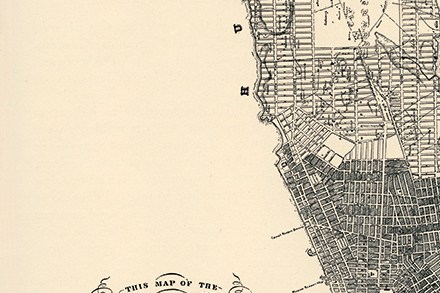
The story of the United States was determined from the start by the manner of its birth. The original 13 English colonies may seem lost in the distant past. Yet it was their diversity that was the key to their union. The creation of the US reflected the tensions of 17th-century England, pitting the Puritan republicans of Massachusetts against the landed gentry of Virginia, Quaker New Jersey against Catholic Maryland. The Founding Fathers resolved these tensions by instituting the concept of states’ rights. Their Constitution was a tissue of compromise, yet it was robust. What served to unite 13 colonies still holds together the mightiest nation on Earth.
America

Emilie du Châtelet – a lone voice among Enlightenment thinkers

From our UK edition

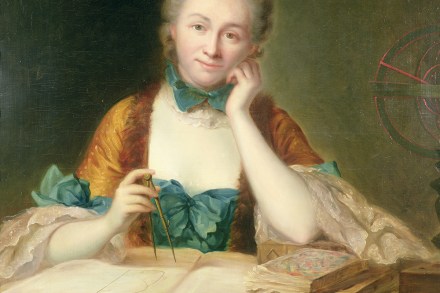
Two things that amaze me about the European Enlightenment are the brilliance of its achievements and the stupidity with which it excluded much of humanity from its circle. Say, for example, you were an 18th-century Frenchwoman who wished to advance human understanding of the universe by doing experiments, discussing texts and comparing hypotheses with other experts. You could forget about joining any of the scientific or philosophical academies created for that purpose – they would not let you in. Instead, your best hope was to create a salon and make it fashionable. For this you had to be wealthy, so you could provide the snacks and wine, and you’d need a country château or a Paris apartment or both.

The Satanic Temple comes to Boston

The Satanic Temple is petitioning the City of Boston to fly their newly designed Satanic flag over City Hall. After a court ruled that the city had to fly a Christian group’s flag, the Temple insisted that it also had the right to display its banner during “Satanic Appreciation Week” from July 23 to 29. According to Lucien Greaves, the Temple’s founder, “A public forum that allows for religious expression can either announce a dedication to religious pluralism or it can signal a decline into theocracy by allowing public representatives to dictate limits on the civic capacities of some religious identities by exercising exclusive preference for others.” If Mr.