Pliny

The man who loves volcanoes

From our UK edition

Being a volcanologist demands a quiverful of skills. You need to be in command of multiple branches of science, including geophysics, geochemistry and seismology. But you must also understand people for whom science matters less than sorcery: people living near volcanoes, for whom they are sacred places, homes to ancestors, sites of miracles, mountains where God’s intervention in human affairs is made manifest in ash, fumes and flame. And you have to be brave. When it comes to studying volcanoes, risk and reward go hand in hand. So a volcanologist must be willing to peer over the edge of a crater, breathing in smoke ‘inconvenient to respiration’, crying acid tears.
In the shadow of Vesuvius

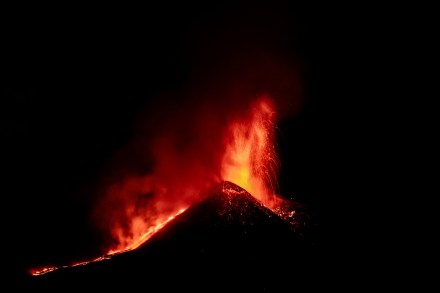
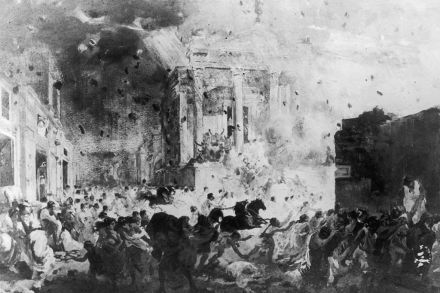
AD 79: Pliny the Elder, admiral of the Roman fleet and author of an encyclopedia of Natural History, sails towards Mount Vesuvius as it erupts.For several hours, the fleet held course across the Bay of Naples. Despite heading in the very direction whence others were now fleeing, Pliny the Elder was said to have been so fearless that ‘he described and noted down every movement, every shape of that evil thing, as it appeared before his eyes’. To any sailors who survived to tell the tale of their admiral’s fortitude, the chance of reaching land in safety must have seemed increasingly remote as they proceeded across the water. First ash rained down on them, then pumice, then ‘even black stones, burned and broken by fire’. This was no hail storm.

vesuvius