Persuasion

The rise of the underground free speech groups

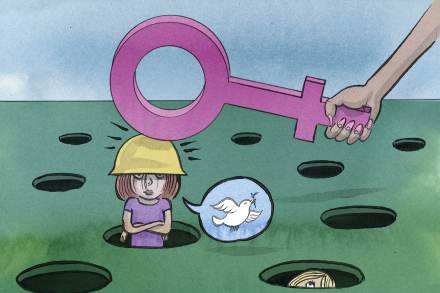
Robin McDuff still lives in the same California town where she and other feminists formed a community back in the 1970s, during the heyday of the women’s movement. But by the end of the decade, McDuff had already begun to drift away from feminist orthodoxies. She’d been working in the anti-rape movement where victims said they wanted the man who assaulted them to understand the pain they caused, apologize and learn why never to do it again. They didn’t want them in jail. But most of McDuff’s feminist peers were fixated solely on incarceration as justice. “These women had no interest in considering any nuance of a case,” McDuff, now sixty-nine and retired, told me. “Nuance and feminism have never done well together.

free speech

The latest Jane Austen adaptation is dreadful

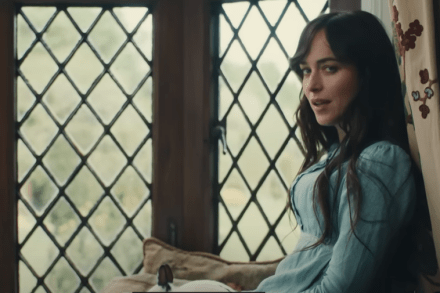
Full marks to whoever tweeted, after watching the trailer for the dire new version of Jane Austen’s Persuasion, that, "I’m sorry but Dakota Johnson has the face of someone who knows what an iPhone is." In that pithy phrase, the failings of Carrie Cracknell’s film are laid bare immediately. Johnson, despite the utter dreadfulness of the Fifty Shades films that launched her to fame, is a talented and likable actress, but she is also contemporary in a way that many of her peers are. You can dress her in all the crinolines and bonnets and Regency finery in the world, but she still looks like a California resident from 2022 cosplaying, rather than an inhabitant of early nineteenth-century Britain. But Johnson is not the only problem with Persuasion.