Pauline Hanson

Australian politics is becoming increasingly toxic

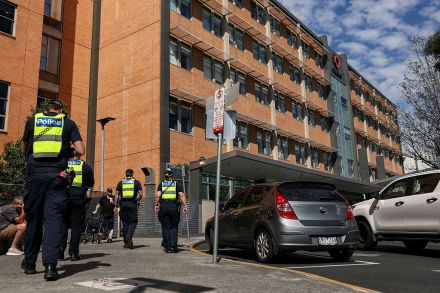
Wangaratta is a busy regional town in northern Victoria. It’s a place to stop and take a break on the day-long drive between Melbourne and Sydney. For locals, “Wang” serves the region’s agricultural and cattle-farming communities, a town where produce is bought and sold, and families come from miles around to shop and catch up with each other. The Wangaratta outrage highlights how vitriolic Australia’s political discourse is Monday, sadly, was different. Wangaratta witnessed an act of brutal violence against the local member of Australia’s parliament, Helen Haines, run down by a man in a Toyota four-wheel drive vehicle. Victoria Police have confirmed the driver rammed Haines, and then U-turned to strike her again.
The rise and rise of Australia’s Nigel Farage

From our UK edition

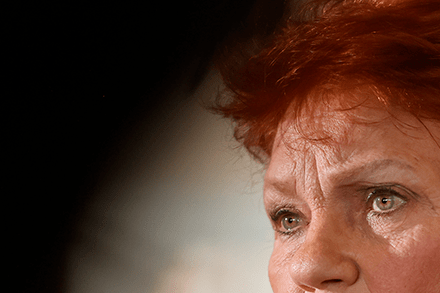
Sydney For three decades, Australia’s political Establishment has been predicting Pauline Hanson’s demise. But whenever critics tried to administer the kiss of death to the flame-haired firebrand, it somehow functioned as mouth-to-mouth resuscitation. Today her One Nation party is polling at levels once thought unimaginable. In recent polls, it even surpasses support for Australia’s centre-left Labor government and centre-right Liberal-National party opposition. Last month, One Nation won its first lower-house seat. Whatever happens next, Hanson has become one of the most consequential figures in modern Australian politics. To British readers, Hanson is often described as Australia’s answer to Nigel Farage. The reverse is closer to the truth.