A simple life fraught with difficulties: Ruth, by Kate Riley, reviewed
From our UK edition
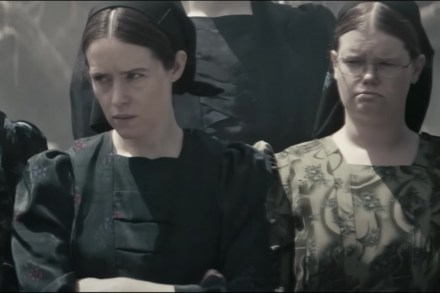
‘The only solution for anger at your husband is to bake him a pie,’ says the eponymous heroine of Kate Riley’s first (and, she claims, last) novel, Ruth. ‘She heard it first from her mother and understood: daily acts of love were the best way to express anger.’ This is advice that Ruth both eyerolls and obeys. Born in the late 1960s and raised in a closed, communist, Christian community, she’s a beguiling, original character whose playful wit and innocent anarchy poke holes in the bubble world she inhabits without ever trying to push her way out. Instead, she invites us to imagine a society in which there are no possessions or individual choices, no recorded music or tampons, but lots of tray bakes and time to think.