Oscar wilde

The Picture of Dorian Gray is headache-inducing

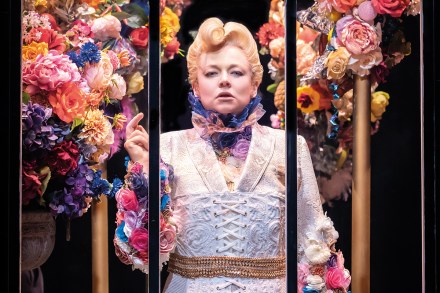
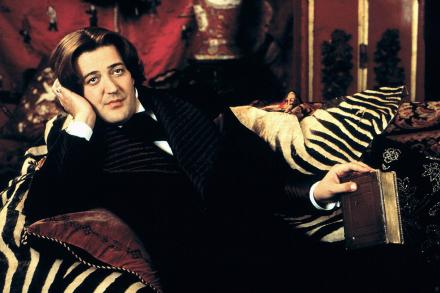
The Picture of Dorian Gray begins on an unadorned note. Sarah Snook sits alone on an otherwise empty stage, facing a camera which projects her image on to a giant vertical screen. Chameleon-like, she switches instantaneously between two characters: the awkward but sincere painter Basil and his more debonair – and dastardly – friend Lord Henry. Snook may be Australian and a woman, but borne on her considerable gifts we are transported to Victorian England. With no props save a paintbrush for Basil and a cigarette for Lord Henry, Snook chops and changes between the two men: she contorts her face into nervy, painful subservience for Basil and her voice into a high, febrile whine.

Dorian

Is Paris the world’s most bookish city?

After I ventured to New York in May 2024, bound for a discerning literary journey round the city’s bookshops, libraries and hotels, I received some lively and constructive feedback from Spectator readers. Many, thankfully, agreed with my arguments about its bookish charms, but a consistent theme in the comments I received was, “How can you claim that New York is the quintessential literary city? Have you forgotten Paris?” To which my reply was reasonably simple: “What about Oxford, London, Rome, Edinburgh, Dublin, Santiago or San Francisco?” All of them hugely distinguished citadels of the written word, both present and historic alike. Yet I felt uneasy at my response.

Paris

A literary pilgrimage to Dublin

From the lilting normcore of Sally Rooney’s Normal People to the frenetic genius of poetic, post-(post?) punk band Fontaines D.C., I’m drawn to talented Irish voices of late. Martin McDonagh’s Oscar-nominated tragicomedy, The Banshees of Inisherin, won three Golden Globes, and my heart, to boot. And quite rightly. It’s news to no one that the Irish have always been exceptional storytellers; some stereotypes stick because they are true. Plenty of the finest words ever written hail from the town of the hurdled ford, Baile Átha Cliath, Dublin. This fact was recognized by UNESCO in 2010, when they named it a City of Literature.

dublin

Literature reminds us that indolence is underrated

I put off writing this article for ages. Initially, I decided I would write it from bed, but the temptation of simply giving up and falling asleep again was too great. A change of tactic proved no less helpful: out of bed, it took every ounce of effort I had to avoid getting straight back in again. Not a jot was left over for the exertion of writing and typing. This isn’t the status quo for my productivity, I promise; it is more a reflection of the subject matter. It is absolutely impossible to write about indolence while running around busily ticking off a to-do list. You have to relax into it. Call it method article-writing, if you will. Indolence gets something of a bad rap these days.

Getting Wilde in America

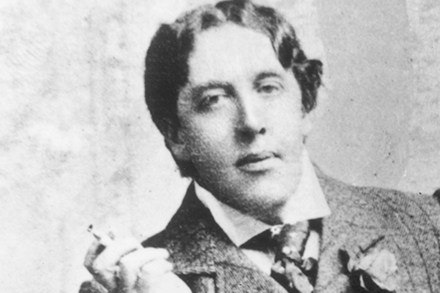
In January 1882, a still little known 27-year-old called Oscar Wilde began his year-long, coast-to-coast, 15,000-mile grueling lecture tour throughout America. The ostensible purpose was to publicise the US tour of Gilbert and Sullivan’s Patience, whose precious aesthete Bunthorne — ‘what a very singularly deep young man this deep young man must be!’ — was partly based on Wilde. The real motive was to advertise himself and become a celebrity while searching for his true sexual identity. Victorian men had to hide their homosexuality, but Wilde found a way to flaunt his real feelings. Wearing a theatrical costume while behaving outrageously on stage, he used his ambiguous sexuality to provide entertainment.

oscar wilde