Norman conquest

The horror that emerges from the columns of Domesday Book

From our UK edition

The opening of the British Museum’s The Bayeux Tapestry exhibition is not far off now. In early July, a bright yellow truck transported the tapestry from France via Eurostar, arriving in London under cover of darkness. With George Osborne, chair of the museum, posing as the symbol of a new entente cordiale, the display is being hailed both as a diplomatic triumph and as the blockbuster exhibition of a lifetime. Soon many thousands will have the opportunity to experience what Max Adams in his new book describes as this ‘dazzling, cinematic, embroidered strip cartoon’. Speculation that the tapestry (actually an embroidery on linen) is missing a final scene is probably correct.
England and Norway should unite

From our UK edition

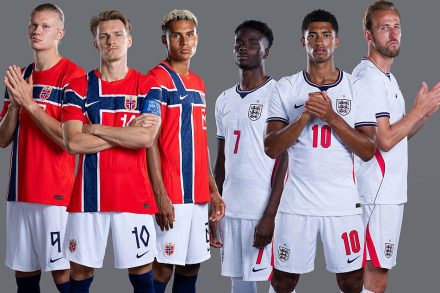
Tonight, Erling Haaland and Harry Kane should be playing together, not against each other. Partially because Haaland is a Yorkshireman, born in Leeds, and this Nordic stuff is just an affectation, but also because England and Norway should not be different countries. With our combined control over the North Sea, we’d have fish and oil beyond our wildest dreams Back in 1066, as one is reminded by the big French cloth now sojourning at the British Museum, history took a wrong turning. Harald Hardrada should have bested Harold Godwinson at Stamford Bridge. Had he then stuffed Billie the Conqueror down in Hastings, a millennium of Anglo-Norwegian unity could and should have beckoned.

What the Anglo-Saxons made of 1066 and all that followed

From our UK edition

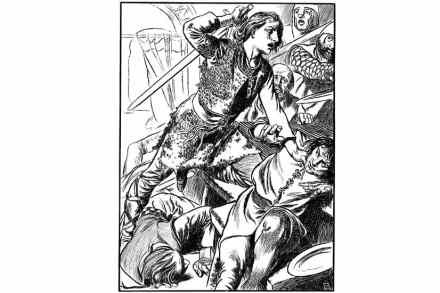
By any yardstick, the Norman Conquest was a ghastly business. Within two decades, the English aristocracy had been more than decimated, all of England’s cathedrals were being levelled and rebuilt, the north had been harried and the language of government changed. What made it worse was that it was utterly unnecessary. In 1066, Edward the Confessor had an heir of the blood royal – Edgar Ætheling, the grandson of Edmund Ironside (d. 1016). Had he not been shoved aside by bigger men, much fuss might have been avoided. In her superbly adroit new history, Eleanor Parker examines how memories of Edgar and his like – the generation that straddled the Conquest – survived, or were melded to meet the needs of the time.