Nikita khrushchev

Khrushchev and me

It was December 1968, and I was a twelve-year-old English schoolboy seriously obsessed with cricket. The sport’s headline news at the time concerned a thirty-seven-year-old South African-born, dark-skinned player named Basil D’Oliveira. The previous August, D’Oliveira had scored a magnificent century (baseball fans need only think of Reggie Jackson hitting three consecutive homers in the clinching game of the 1977 World Series to get the flavor) while representing his adopted home team of England in a match against Australia. Despite this achievement, just days later the English team’s selectors omitted D’Oliveira from a tour of South Africa that was due to follow in the winter. Was the decision taken on purely technical cricketing grounds?
nikita khrushchev

The Cuban Missile Crisis has become a cultural touchstone

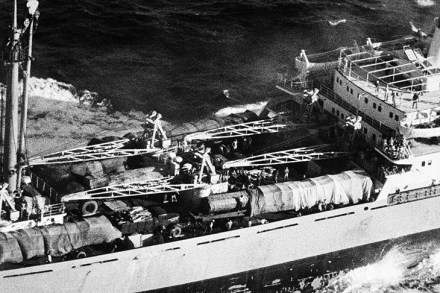
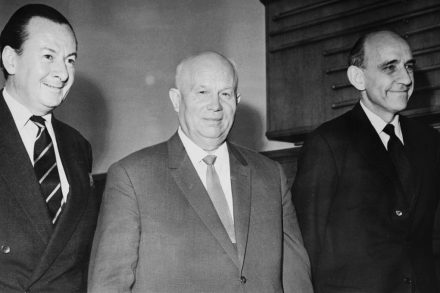
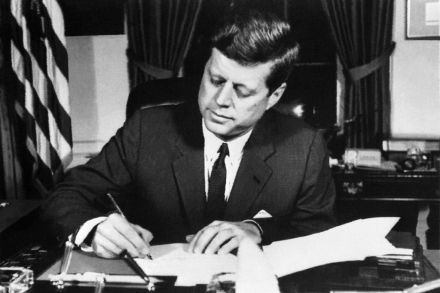
At the beginning of 1962, President John F. Kennedy had high hopes for a peaceful year with the Soviet Union, the United States’ most dangerous adversary. On December 30, 1961, Kennedy issued a statement offering his good wishes for the new year to Soviet Premier Nikita Khrushchev and the Soviet people. Ten months later, in October of 1962, the US and the Soviet Union were on the brink of war. The Soviets had moved missiles into Cuba, which initially went undetected by US intelligence. On October 14, an American U-2 spy plane took pictures showing missile base construction taking place in Cuba. The next evening, American analysts realized the implications of what that construction meant.