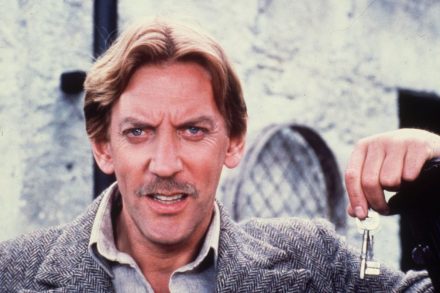
RIP Donald Sutherland, a Hollywood master
When the news of the Canadian actor Donald Sutherland’s death at the age of eighty-eight was announced yesterday, it was greeted with a sigh and a shout by his peers. A sigh, because every great actor’s death, even at a grand old age, is a sad loss, and a shout, because there will now be the niggling feeling that Sutherland never quite got his due treatment when compared to his peers. Yes, he won an honorary Oscar in 2017, and yes, he appeared in his fair share of hugely acclaimed and iconic pictures, from M*A*S*H to Pride and Prejudice. But Sutherland’s tendency to appear in a lot of undistinguished B-movies, especially in the Eighties, has counted against him. This is deeply unfair. He was an actor who, even in the weakest films he appeared in, brought class and dignity.