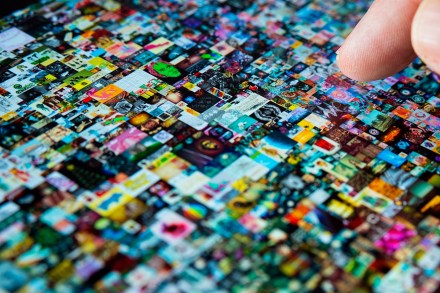
Nft

Make art free, not digital

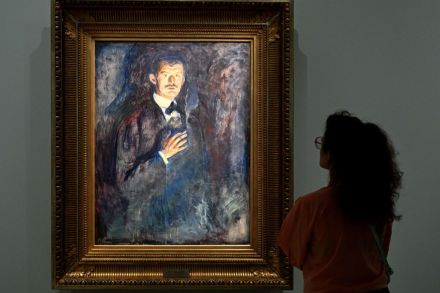
If you won the lottery tomorrow and suddenly had the money to invest in art, what would you prefer: a work from Picasso’s Cubist period (Guitar on a Table, 1919), or an NFT made from AI-based images and shapes? On the one hand, Picasso’s Guitar on a Table isn’t his most famous or even most interesting work — by 1919, the radicalism of Cubism had begun to wane. But on the other, NFTs are a relatively unproven market with dubious artistic merit, and have been linked to art crime, money laundering, and even allegations of human trafficking. If Picasso couldn’t persuade you to ditch the digital art, what about a painting by Renoir, a sculpture by Rodin, or a triptych of paintings by Francis Bacon?
Rishi Sunak’s NFT gimmick is a step too far

From our UK edition

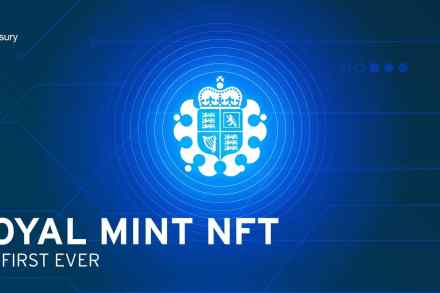
We had got used to the expensive trainers. The carefully curated hoodies were just about acceptable. The Twitter feed was starting to grate on people’s nerves, and so were the stage-managed photo ops, such as filling up a borrowed Kia Rio at Sainsbury’s right after cutting fuel duty, but they were part of the package. But the Chancellor Rishi Sunak may finally have come up with a gimmick too far with the launch of the Treasury’s very own digital token. Sunak’s addiction to gimmicks is starting to undermine his credibility The Chancellor, between figuring out how to control inflation, pay for public services and reboot the economy found some time this week to launch the British government’s first NFT.

It’s almost touching that the NFT world sees itself as radical

From our UK edition

Some things are explained so many times that they become unexplainable: we can only relate to them as something complicated that needs to be explained. The global financial crisis was like this. Crypto-currencies were like this too. The newest thing that exists to be explained is the world of non-fungible tokens, or NFTs. NFTs are collectible digital objects. They are created with a technology called the blockchain, which unalterably and uniquely records their provenance. This means that if I mint an NFT of an image — a cartoon of Donald Trump, say, sitting naked astride the Capitol — I can prove definitive ownership of the image, no matter how many copies exist. In other words, NFTs can be authenticated, which means they can be sold.