How Clavicular’s ‘looksmaxxing’ took over New York Fashion Week
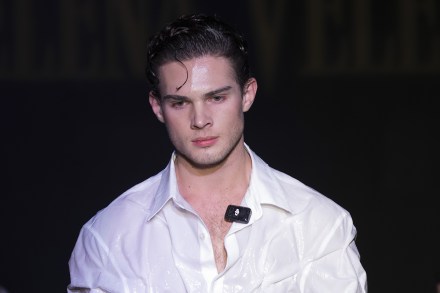
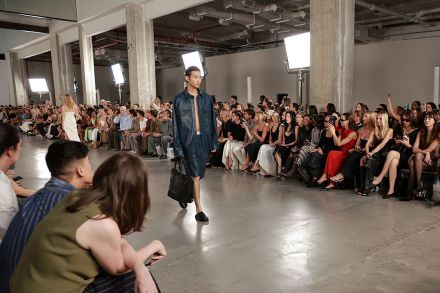
Elena Velez’s F/W 2026-27 New York Fashion Week show centered on “looksmaxxing”: the internet-inspired pursuit of physical perfection at any cost. The runway presentation examined a generation raised under fluorescent ring lights and the judgment of the social-media algorithm. And she capped the night off with a feature from Clavicular, one of the X algorithm’s current favorite characters. Velez, still in her early thirties, stands out as one of the few designers fluent in the language of the internet. The cultural current is dominated by self-optimization taken to its logical extreme. Faces are flattened into grids, bodies are dissected by comment sections, desirability is quantified in followers, likes and engagement rate. Looks run the show, now more than ever.