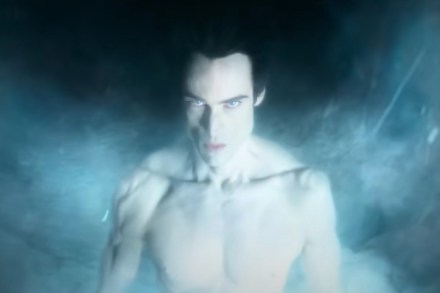
Neil gaiman

Twenty years on from Jonathan Strange & Mr. Norrell

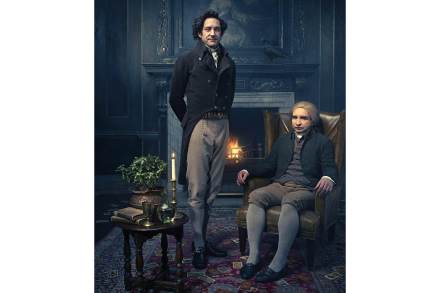
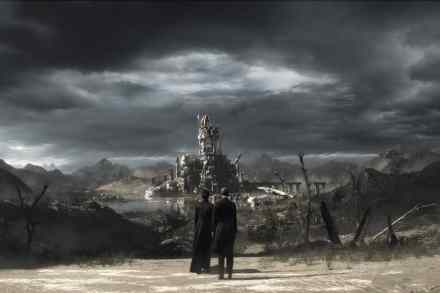
"Some years ago there was in the city of York a society of magicians. They met upon the third Wednesday of every month and read each other long, dull papers upon the history of English magic.” So begins Susanna Clarke’s modern masterpiece Jonathan Strange & Mr. Norrell, first published two decades ago and now regarded, rightly, as the greatest work of British fantasy literature since the Gormenghast novels. Revolving around two indelible characters — the fussy, pedantic “practical magician” Gilbert Norrell and the swashbuckling, Byronic Jonathan Strange — it has an epic sweep and dares to take the existence of magic, and magicians, wholly seriously, giving its oft-maligned genre an intellectual and emotional heft that few other comparable books possess.
Clarke

Identity politics is in retreat in Hollywood

From our UK edition

‘Diversity is woven into the very soul of the story.’ If those words of praise from a rave review in a left-leaning journal sound to you about as inviting as a cup of cold sick, then my advice would be to stay well clear of The Sandman. Neil Gaiman’s epic graphic novel series (launched in 1989), set in the world of dreams, was relentlessly inclusive long before it became the norm. ‘I wanted to change hearts and minds,’ Gaiman has said in an interview. ‘I had trans friends and still do, and it seemed to me that no one was putting trans characters into comics. And I had a comic.’ If this TV version had been made five years ago, it would probably have been considered very cutting edge.

The Sandman is a confused disappointment

The author Neil Gaiman is one of the comparatively few writers who really understands how to use social media. Not only does he have nearly 3 million followers under the handle @neilhimself, his bio self-deprecatingly insists he will "eventually grow up and get a proper job," though "until then, he will keep making things up and writing them down." Gaiman is a prolific tweeter, interacting with his millions of admirers in a joyful and unpretentious way. I once had an edifying conversation with him around the time that my biography of Lord Rochester, Blazing Star, was published. Gaiman is a fully paid-up Rochester aficionado, and was gracious and generous with his time and appreciation.

Tacky and incomprehensible: The Sandman audiobook reviewed

From our UK edition

Listening to the tacky and incomprehensible audio-adaptation of Neil Gaiman’s graphic novel series Sandman, I couldn’t stop thinking about the 19th-century Swiss artist Rodolphe Töppfer. Did Mr Töppfer realise what he was doing when he one day decided to draw a narrative in sequential panels with captions underneath? His satirical novel in pictures, Histoire de M. Vieux Bois, was published in 1837, and made its way to America five years later as The Adventures of Mr Obadiah Oldbuck. ‘Mr Oldbuck drinks ass’s milk’ reads one caption, and then overleaf: ‘His physician recommending exercise, he buys an Arabian courser.’ Riding the courser, ‘Mr Oldbuck increases his speed, advancing at the rate of ten leagues an hour.