Natural disasters

Don’t politicize the Texas flood

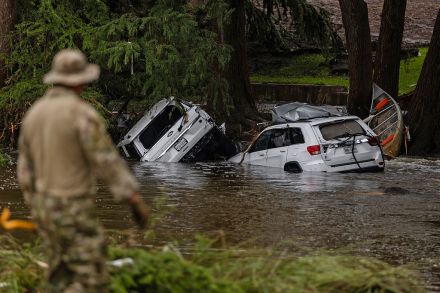
It’s early Monday morning here in Central Texas, and the rain just keeps on falling. Over the wettest weekend any of us can remember, water has saturated the ground and overflowed every culvert. Dozens are dead, an untold number of properties damaged. The drought is over, point taken. We surrender. Now we have to figure out who, if anyone, is at fault.  In the last few days, the blame has flowed faster and thicker than the raging muddy waters of the Guadalupe River. It started almost immediately on Friday morning, with a sickening torrent of anti-Texas vitriol from left-wing social media, the flip side of the horrible “God’s wrath” chatter we heard from the right during the Los Angeles fires.

Texas

Caroline Calloway: my hurricane diary

I promise I’ll get to the hurricane stuff, but first I just want to take a moment to appreciate how rare it is that I’m even writing this — and how special it is that we can gather together like this inside my sentences, in The Spectator, a place that is famously way more boring and more well-respected than my social media or my books. (Although the Washington Post DID call Scammer “a masterpiece” and the New Yorker DID say “Scammer is funny, engaging, and full of genuine insight,” which is what I would like my tombstone to say when it finally is my time to go!) There’s a lot of writing in print and online about me and comparatively none at all by me. This is by choice. I’m not complaining!

caroline calloway

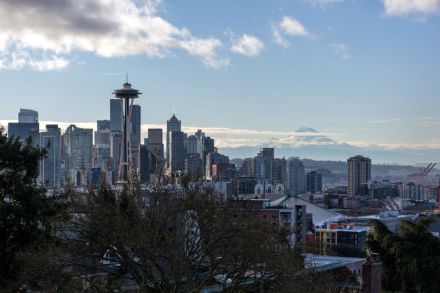
The earthquake that will devastate Seattle

At around eleven in the morning on February 28, 2001, I was standing in front of a mirror in my home in suburban Seattle, adjusting what remained of my hair prior to driving downtown to meet a friend for lunch, when the ground began to shake beneath my feet. The movement lasted about twenty seconds and wasn’t entirely unpleasant, with just the slightest hint of the old days when I was a devotee of Bacchus. After a bit, I checked that the house was all right, looked in on my infant son peacefully asleep in his crib, said goodbye to my wife, started the car and went on my way into the city. It was bedlam out there.

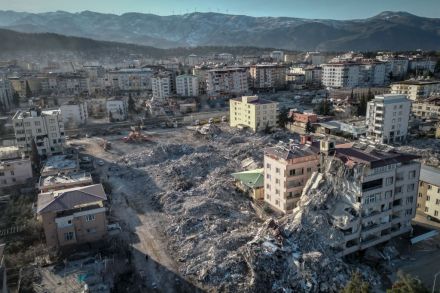
A year in Gaziantep before the earthquake

In 2013, I was studying for a Master’s degree in Beirut when a bomb went off in Baghdad. I remember receiving a message from a friend checking in to see if I was all right — even though I was 500 miles away. It can be hard to convey to people back in the United States that violence in the Middle East is not necessarily a part of everyday life. At times — in Iraq in the years following the US invasion, for example — it is. But such attacks are usually a tragic anomaly. All this stands in stark contrast to news about the earthquakes in southern Turkey and northern Syria, which struck last week and killed at least 36,000 people.

gaziantep