Money news

Elon Musk: Genius or jerk?

Elon Musk, the California-based entrepreneur behind the Tesla electric car, the SpaceX commercial rocket venture and several other wacky start-ups, made a fool of himself with his attempt to intervene in the Thai cave rescue and subsequent Twitter spat, but there’s no doubt he’s an original thinker and a remarkable businessman. If the futuristic Tesla is a fine feat of technology, what’s more impressive is that the company is not only still in business after 15 years without turning a profit and having lost at least $3.5 billion since 2015, but that its market capitalisation, at $52 billion, is bigger than Ford’s at $42 billion. Tesla built more than 100,000

If this is a trade war, the United States will win 

Donald Trump is following through on his threat—or promise, as his voters see it—to impose steep tariffs on foreign goods in the name of supporting American industry, starting with levies of 25 per cent on steel and 10 per cent on aluminium imports. Allies and neighbors that had been granted temporary exemptions are now set to feel the brunt of the tariffs: Canada is America’s leading source of foreign steel, and Mexico and the European Union will also feel the pain. They’re all threatening to retaliate, and the press is calling this a trade war. If this is a war, it’s one the United States will win. The thing to

Are you a winner or a loser in Trump’s trade war?

China ’s imposition today of tariffs on 128 imports from the US was inevitable – and is no doubt exactly the reaction that Donald Trump wants, giving him the excuse to announce yet more tariffs in addition to those on steel and aluminium imports which he has already imposed.  After all he did say, even before China announced any form of retaliation:  “trade wars are good.  It should easy for the US to win one”.  A trade war is what he wanted, and what he has got. But does he have any more of a strategy for his trade war than George W Bush had a plan for winning the peace

A trade war with China sounds terrifying – but the US is doing the right thing

Nobody likes the sound of trade war, and rightly so. China’s new retaliatory tariffs against US products feel like the beginning of something bad: an escalating tit-for-tat trade conflict between the world’s richest countries which could choke the global economy. But there are good reasons to think that, far from being another silly move by a hothead president, Trump’s right about trade with China and that, as he has with North Korea, he is grasping a dangerous nettle that other presidents dared not touch. It may be scary, but it needs to be done. And it’s not just necessary for America, but perhaps the rest of the world as well.

Why Trump’s ‘trade war’ makes strategic sense

Has Donald Trump sparked off a trade war? His plans for a 25 percent tariff on steel imports and 10 percent tariff on aluminum have shocked friend and foe alike. China is outraged; so are Canada, Japan, and South Korea—allies that in fact export more steel to the U.S. than China does. They stand to be hurt worst if they aren’t granted exemptions or cut special deals by the president. Trump accuses the Chinese of ‘dumping’ steel into the American market, while the legal grounds for his new tariffs rest in the idea that strategically critical manufacturing is endangered by a diminished U.S. metals industry. But if the tariffs inflict

1,2,3,4 — Trump declares a trade war

‘Whatever complicates the world more — I do,’ Donald Trump once said. As President, that still seems to be his mantra. Everybody knows that he feels America has been ripped off for decades when it comes to global trade — and that he intends address imbalances that hurt his country wherever he can. But his abrupt decision to announce huge tariffs on steel and aluminium has sent shockwaves across the world. It has thrown global markets into a panic. It has caused division in his White House and put him at odds with his party establishment, which is ideologically committed to free trade and terrified of protectionism. It is vintage

American Healthcare versus the British system

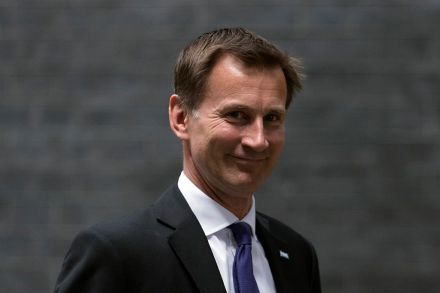
Donald Trump recently disparaged Britain’s National Health Service for “going broke and not working,” leading Health Secretary Jeremy Hunt to express his pride in a system “where all get care no matter the size of their bank balance.” But the news has been filled for months with stories of people unable to access care they need under the NHS, regardless of their efforts or financial resources. Beyond the nationalistic pride and defensiveness of politicians both sides of the Atlantic, how do British and American healthcare really compare? Are both sides as crazy as the other imagines, or do they each know something the other can learn from? Sweeping generalizations regarding