Milk

Bring back the milkman!

From our UK edition

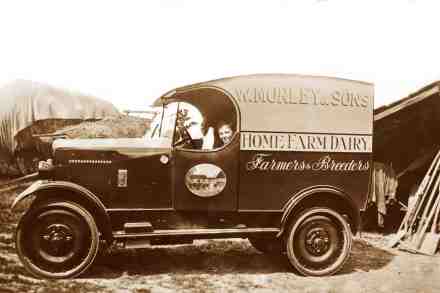
Even if you couldn’t care a fig for sustainability, it’s hard not to be impressed with the Nostradamus-esque foresight of the milk float. In an era when Old King Coal ruled the roost and recycling meant pedalling backwards on your Raleigh Grifter, the pre-dawn hour across the UK was the stage for a phalanx of electric vehicles trundling along our streets and lanes delivering our order of gold or silver top in reusable, pint-sized bottles. The decline of the milkman in percentage figures would cause palpitations to the most hardened of economic wonks. In the 1970s, 94 per cent of Britons had their milk delivered to their doorstep via an electric float – while in 2016 just 3 per cent of milk was delivered by milkmen, according to Defra. What happened?
Is almond milk damaging the dairy industry?

The Food and Drug Administration (FDA) just released draft guidelines concerning the definition of “milk,” saying that producers of alternative milk beverages derived from plants and nuts (non-mammals) can keep calling their products “milk” because, basically, they’ve been doing it for a while and the public likes it that way. The draft guidance explains “that the public already refers to plant-based milk as milk while also acknowledging the plant source it comes from, such as ‘almond milk’ and ‘soy milk,’” according to Fox Business. “Consumers reportedly favor the term ‘milk’ over plant-based ‘drink,’ ‘beverage’ or ‘juice,’ according to internal and third-party focus groups the FDA cited.” Not everyone agrees with the FDA.

Mother’s milk is good for you

I had my first taste of breast milk after a training session at a garage gym. We swap tips and stories and we bond, so when a friend brought a bag of his wife’s frozen breast milk we thought it’d be fun to test the potential benefits to our lifting programs and physiques. I’m not sure whether he ever told his wife that I tried some, and I’ve not had the heart to admit it to her. It was sweeter and more watery than I expected, almost sickly. I didn’t enjoy it, but I was curious. Bodybuilders will chase any small benefit, and we’re always experimenting with our diet and exercise programs. Breast milk is a poor source of protein but it’s abundant in probiotics and valuable micronutrients such as human growth hormone IGF-1.

milk

I won’t ever look at cows the same way again: Andrea Arnold’s Cow reviewed

From our UK edition

The latest film from Andrea Arnold (Red Road, Fish Tank, American Honey) is a feature-length documentary about a cow, starring a cow, with almost nothing else in it, apart from this cow. It feels like a test. Can I watch a cow for 93 minutes? What does this cow do that’s so interesting? I see cows all the time from the train and they just sort of lounge about, ruminating, don’t they? But this wants you to look, really look, at what it is to be a cow. And you do and you will invest. (Oh, Luma.) Arnold spent four years, off and on, filming Luma, a cow at a dairy farm in Kent. Luma looms from the dark background of one of the film’s stills like a Rembrandt. You’d look, really look, if she were hanging in the Rijksmuseum, Arnold seems to be saying.

The return of the milk round

From our UK edition

How do you help the environment and improve your quality of life? Why, buy milk in bottles. Some of us can remember them – foil topped, left outside the door, washed, then returned…a virtuous cycle which worked because it made practical sense. Life went downhill when the milk industry was deregulated in the 1990s and milk turned up in plastic cartons, homogenised and in supermarkets, and so it has remained, until quite recently. But the rattle of the milk van is returning to the streets in parts of London and elsewhere…things, folks, are looking up. It was one of the great advances in human civilisation when we developed lactose to enable us to digest milk.