Megalopolis

Are we seeing the death of auteur cinema?

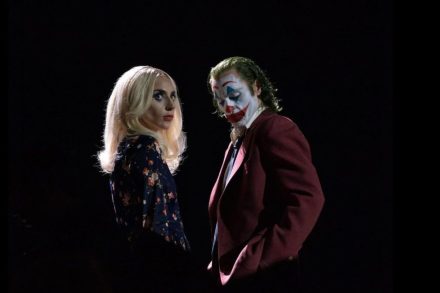
To nobody’s very great surprise, the much-anticipated, very expensive Joker sequel, the pretentiously entitled Folie à Deux, has flopped, and then some. The original film opened to a staggering $96 million on its opening weekend in 2019, and went on to earn more than a billion dollars worldwide, eventually winning an Oscar for its lead Joaquin Phoenix. It was that rare movie that appealed as much to cineastes and critics as it did to the Saturday-night popcorn crowd. Never mind that its director Todd Phillips ripped off Martin Scorsese’s The King of Comedy and Taxi Driver so much that it was virtually actionable; it was heralded as a vital, incendiary piece of cinema. Its sequel has not been.

Megalopolis and the strange art of negative marketing

After a fairly barren summer movies-wise (I’m just waiting for the Alien: Romulus backlash to begin, and will be only too pleased to join in with it), there are more promising movies coming our way this fall. Yet the one that’s attracted more attention and interest than possibly anything else this year, maybe even this decade, is the grand return of Francis Ford Coppola with Megalopolis, a self-funded, wildly ambitious folie de grandeur that premiered at this year’s Cannes Film Festival to predictably mixed reactions and an overall consensus that, alas, the one-time visionary genius of theater is no longer a force to be reckoned with, however loopily wild his latest (and, one reluctantly assumes, last) movie is.

megalopolis

Cannes 2024: the highs and lows (so far)

Although this year’s Cannes Film Festival hasn’t concluded yet (it runs until this Saturday), there is a general sense that the true talking-point pictures have been frontloaded into the opening week, both in competition and out of it. Without doubt, the one that has attracted the most attention is Francis Ford Coppola’s sci-fi epic Megalopolis, which premiered last Thursday to a mixture of outright scorn and bemused but respectful appreciation, all of which suggests that, although it still lacks a US distributor, it will keep making waves upon its release later this year — although the chances of Coppola regaining anything like his $120 million investment are slim, to say the least.

demi moore cannes

Francis Ford Coppola and Megalopolis: genius or flop?

This Friday sees the Cannes premiere of a film that, by rights, really ought not to exist. As the likes of its stars Adam Driver, Giancarlo Esposito, Dustin Hoffman and Shia LaBeouf all assemble on the Croisette, it will be its now eighty-five-year-old director, screenwriter and producer, Francis Ford Coppola, who will be the most closely watched figure of the night, if not the entire festival. Megalopolis, the movie that they are all gathering to promote, has been Coppola’s great passion project all through his career. He first came up with the idea in 1977, began to develop it in 1983 and, finally, sold part of his wine empire a few years ago to raise the film’s $120 million budget.

francis ford coppola megalopolis

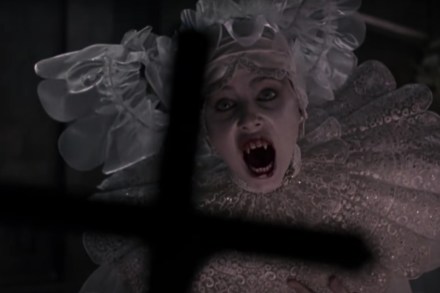
Bram Stoker’s Dracula was a grand and glorious folly

Thirty years after it was first released in America, Francis Ford Coppola’s Bram Stoker’s Dracula is returning to theaters, appropriately enough for a Halloween re-release. (It also serves as a soft preview for Coppola’s newly announced passion project, Megalopolis, an epic drama starring Adam Driver and Aubrey Plaza.) It is hard to overstate what a difference the past three decades have made in Dracula's popular reception. Although it was a significant commercial hit upon release, thanks in part to Annie Lennox’s enormously popular theme tune "Love Song For a Vampire," it was critically derided as poorly acted, overblown, excessively bloody without being frightening and a travesty of the original novel.