Magazines

The social media ban will save glossy magazines

From our UK edition

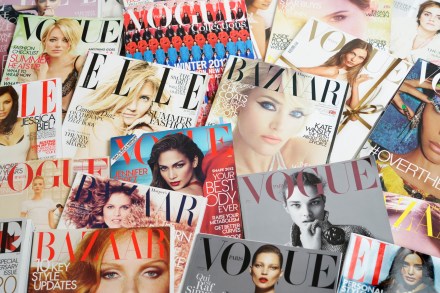
There is a moment in former Condé Nast maestro Nicholas Coleridge’s memoir The Glossy Years where he recounts losing his magazine virginity. Aged 16 and ill in bed at home he picked up a copy of Harpers & Queen belonging to his mother and in an instant was spellbound: the wit, the glamour, the ‘understated snobbery’. ‘That first couple of hours with a glossy changed my life,’ he wrote.  So I felt when Vogue was delivered to my school library each month: a sliver of high-end bliss among the daily-end drudgery. It was the start of a teenagehood marked by circles of shame in Heat and sticky ink on my thighs from reading Grazia on sweaty school coaches (temporary tattoos of gossip).
The death of celebrity gossip

From our UK edition

When I was in hospital for almost half a year, learning how to face life as a ‘Halfling’ – a person in a wheelchair, patronised and petted – the thing I looked forward to most was a normal, some would say banal, event. I longed to be in my local Pizza Express, in Hove, reading Heat magazine to my husband as he ‘savoured’ his American Hot. To put it mildly, I am a far faster eater than Mr Raven, and rather than chatter to him and expect an answer, thus hindering his progress still further, I read to him. To add to the fun, I framed the problems of the Beckhams or the Sussexes as those of people we actually know, doing the appropriate voices, which rendered it delightfully bitchy.

A lament for the lads’ mags

From our UK edition

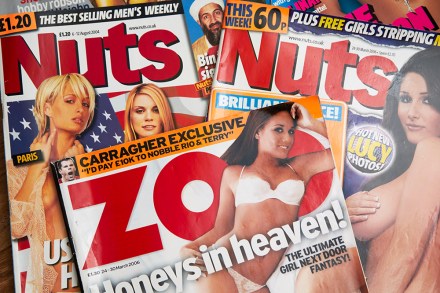
Do you remember the lads’ mags? I do because I worked on them for years. FHM, Maxim, all those gloriously disreputable titles. I helped dream up the captions, the gags, the gonzo reportage, the phwoar-heavy covers. I also remember how they were reviled. Condemned by broadsheets, feminists, academics. Accused of objectifying girls, toxifying masculinity and encouraging men to enjoy cold lager, bare breasts and football gossip. Yet here’s the thing. When I contrast the world of lads’ mags with today’s bleak digital landscape, of AI smut and OnlyFans subscriptions, of performers mechanically coupling with a thousand men, cheered on by Insta-bots, the old magazines, even if sometimes crude or clumsy, seem almost noble. Paragons of playfulness and wit.

Hot off the press — what’s in the April issue

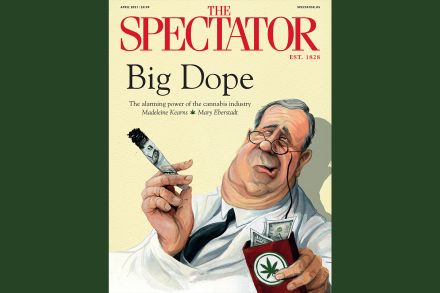
It’s perhaps no coincidence that America seems to have gone crazy right about the time that cannabis became legal. In our latest April edition, we cover Big Dope, or the alarming power of the cannabis industry. Madeleine Kearns looks at the disturbing health consequences of widespread marijuana consumption as well as the enormous profit-motives that cloud any serious discussion about the downsides. Why worry when the poor can get high and the rich can get richer? We may soon find out. Mary Eberstadt also asks if, given all the other crises plaguing American society, more drugs are what we need. That’s all strong stuff. And we have plenty more for you to put in your mental pipe and smoke. — Our lead editorial explains how the border crisis could define Biden’s presidency.

april

If you really want to lose friends, start a magazine

From our UK edition

I’m more impressed than most that The Spectator has racked up 10,000 issues, because I used to be a magazine publisher myself and I know just how hard it is. In 1991 I co-founded the Modern Review with Julie Burchill and Cosmo Landesman and appointed myself its first editor. Our motto was ‘Low culture for highbrows’ and we ran long, scholarly essays by intellectuals and academics about popular icons like Madonna. I remember one particularly good piece by David Runciman, now a politics professor at Cambridge, called ‘Wazza mazza wiz Gazza?’ about the footballer Paul Gascoigne. Among the magazine’s more dubious achievements was publishing the first ever article by Will Self. In 1995 it went belly--up after 21 issues.

Does anyone have a job for Chelsea Clinton?

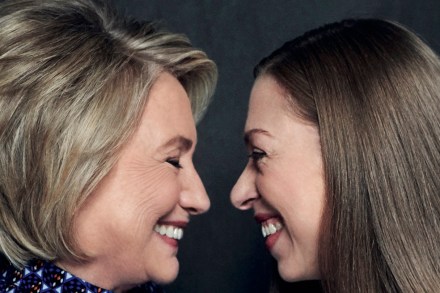
For a long time now, those of us who have the misfortune to have working eyes and ears have become deeply familiar with the activities of one family. This family is (still) taken very seriously by some very serious people, in spite of the fact that vast numbers of us would rather eat chlorine-flavored ice cream than ever hear from them again. Like some sort of deathless voodoo incantation, the name of this family echoes around the world. It echoes in high-altitude frosted glass conference rooms filled with international bores. It echoes in the frazzled minds of readers of the legacy press.

chelsea clinton
gq

GQ is a holy text of woke capital

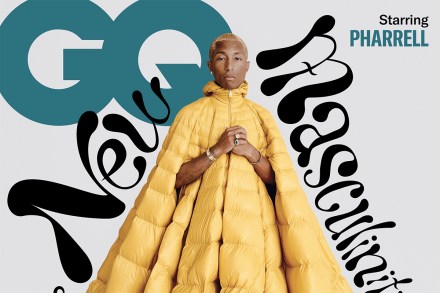
In general, there is no point in reading articles you know are bound to make you mad. Life is too short. Read a good book. Enjoy a walk with your loved ones. Learn how to fashion something out of wood. Sometimes, though, an article crosses our path and we are gripped with the despair and anger one might feel watching a drunk driver veer across a crowded street.One such article is GQ editor-in-chief Will Welch's introduction to the magazine’s ‘New Masculinity’ issue. ‘When I found out that I would be the editor-in-chief of GQ,’ Welch writes:‘...most people said stuff like “Amazing!” and “Congrats!” But one particularly perceptive friend reacted in a way that I'll never forget. “Yikes,” she said.

Good morning, America

‘The Spectator is the best written paper,’ the American Whig Review said in 1851. ‘It has a place for every thing, and every thing can be found in its place.’ Not much has changed. The Spectator is still the greatest magazine in the English language. We will soon become the first magazine in history to publish a 10,000th edition. As that milestone approaches, we are expanding: this first American issue marks the beginning of an exciting New World chapter. It’s odd, perhaps, that it has taken us 191 years to come to America. The Spectator, rooted in true liberal and radical thinking, has long had an affinity for the Land of the Free. Our history is full of American connections.

magazine leader spectator

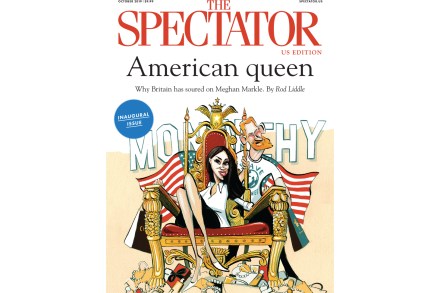
The Spectator’s first US edition is coming!

It’s a busy and exciting week for The Spectator in America: we are putting together our first US edition. It’s beautiful and big: an 84-page book, perfect bound, with a glossy cover. We’ve been pleased with the number of early-bird subscribers, and I’m pretty confident we will be able to reward them with a great magazine, the likes of which they haven’t read before. The Spectator’s brand of journalism is unique, and we are confident that it can thrive in America. We aren’t publishing stories in order to tell our readers how to think. We aren’t politics bores. We aren’t interested in shaping the conservative or any other movement.

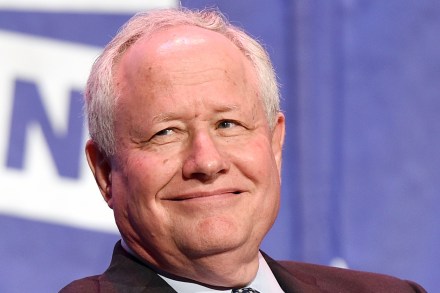
Don’t blame Trump for the demise of the Weekly Standard

If the Weekly Standard closes down by year’s end, as is widely expected and as Spectator USA first reported, the country will have lost one of its few remaining writer’s magazines. But for most people, the caliber of writing from Andrew Ferguson or Christopher Caldwell or Matt Labash is not what stands out about the Weekly Standard. Its reputation is tied to the Iraq War and to its founding editor’s reinvention of himself as the most acerbic NeverTrumper on Twitter. The latter has led the New York Times and other outlets to blame the closed-mindedness of conservatives toward criticism of Trump for the magazine’s demise.

bill kristol the weekly standard