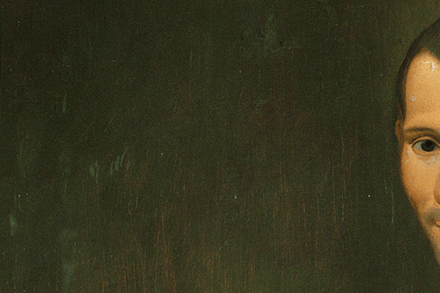
Machiavelli

Should America be Venice or Sparta?

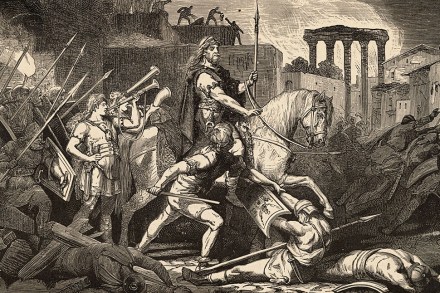
Americans never tire of asking themselves whether their country is turning into Rome. A Latin motto on the Great Seal of the United States proclaims a novus ordo seclorum – a “new order of ages.” But in the poem from which that phrase is adapted, Virgil’s fourth eclogue, the words mean a quite exact replay of past events: there will be, for example, another voyage of the Argo and another Trojan War. Our new order might likewise repeat the history of Rome. One philosopher who gave a great deal of thought to new orders and Roman history as a template was Niccolò Machiavelli, particularly in his Discourses on the First Ten Books of Titus Livy.

The new power players running the world

From our UK edition

At the opening of The Hour of the Predator, Giuliano da Empoli describes Spain’s conquest of the Aztec empire, its doomed ruler Moctezuma II’s response (ineffective vacillation, delaying any course of action), its consequences and its relevance to politics today. It is a striking introduction to a brief, bracing and profoundly alarming book. The author argues that an alliance of tech bros and authoritarian rulers – whom he calls modern-day Borgias – are sweeping away the rules-based international order. He sees our elected leaders as comparable to the procrastinating Aztec emperor, appeasing and hesitating as the opportunity for action passes into history. Da Empoli has a peculiar vantage point.