The art of resurrecting forgotten artists
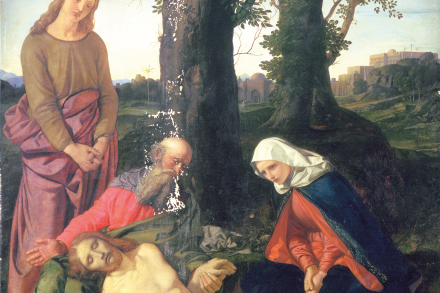
A retired priest in North Wales once told me that after the war he had been asked by Billy Butlin to buy 19th-century paintings for the holiday-camp chapels, because they were going cheap. One he bought, for 49 guineas in 1947, was William Dyce’s 1835 “Lamentation of the Dead Christ.” In 1983, after the Butlin’s chapels had closed, it made a handy £125,000 at auction, when it was bought by Aberdeen Art Gallery. As late as 1962, Lord Leighton’s great “Flaming June” (1895) was sold for £50. Today? Millions. Talk about “the bubble reputation.” The pattern of artistic fame followed by subsequent obscurity has been repeated through the centuries.