Litter

The insidious rise of Tannoy spam

From our UK edition

Six people meet for a picnic on Richmond Green. They eat Popeyes chicken nuggets, Sainsbury’s sausage rolls, M&S sandwiches, Cadbury Mini Rolls and Walkers crisps. They drink a bottle of Pinot Grigio and several cans of Sol lager. How do I know? I’m no detective but they’ve made it easy for me. After they’ve finished, they’ve simply got up and left the bottles, wrappers, packages and paper plates on the grass, laid out like a meal on the Marie Celeste. There’s always been litter – Bill Bryson described it as ‘a long continuum of anti-social behaviour’ – but this is something different. It feels more like social anarchy, a total blankness. I can’t get my head around it.


Plastic-free paradise

“Welcome to Wayanad. From here, all plastic is banned.” Prasanth was on a mission, belly pressed to the carpet of his car, legs sticking out on the roadside. He emerged triumphant, brandishing a forgotten Coca-Cola bottle and carrier bag before starting the ignition. Crossing into the high-altitude, hilly state of Kerala, he pulled up at a designated recycling spot.  Ephemera rained out of my upturned tote bag upon strict instruction to hand over any plastics. At Wayanad’s border, two impassive security guards eyed my friend and me as we instinctively sank back in our seats. A regular driver for tourists, Prasanth shrugged off the routine check, pointing to a sign as we were waved on.  “1,000 rupees fine! See?

india

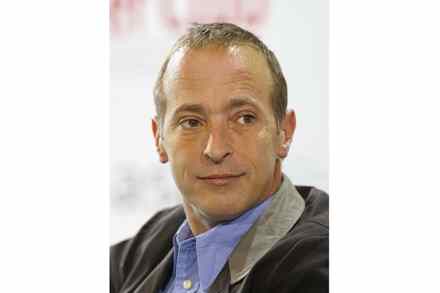
How does David Sedaris get away with saying the unsayable?

From our UK edition

These aren’t diaries in the sense that Chips Channon kept diaries, or Samuel Pepys. They aren’t diaries at all, beyond the fact that each entry records an event and has a date and place attached. If a diary is a conversation with yourself, A Carnival of Snackery is a conversation with a crowd, because the observations it contains were written as material for David Sedaris’s shows. The entries, which begin in 2003 and continue to Christmas 2020, are therefore, as Sedaris admits, over-polished, and what we hear on the page is a spoken rather than a written voice.