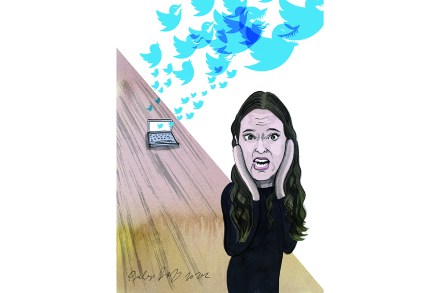
LibsOfTikTok

Bezos dines with Trump after dicing up Opinion page

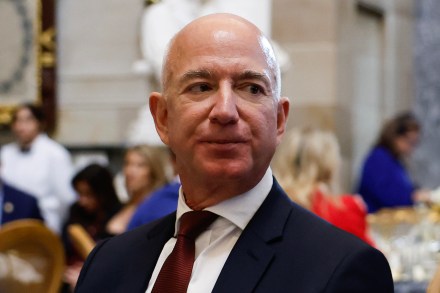
“We are going to be writing every day in support and defense of two pillars: personal liberties and free markets,” wrote billionaire Jeff Bezos in a Wednesday note to the staff of his newspaper, the Washington Post. “We’ll cover other topics too of course, but viewpoints opposing those pillars will be left to be published by others.” The missive from on high sent shockwaves around the capital. David Shipley, the Post’s Opinion editor, stepped away from his role over the new directive. Libertarian magazine Reason had a field day: “If this sounds like something you might want to read, may I suggest @reason where we’ve been doing this since 1968?” wrote editor-in-chief Katherine Mangu-Ward.
jeff bezos

Congress’s Twitter hearings show Democrats are done with free speech

A long time ago in a galaxy far, far away, free speech was primarily defended by civil libertarians and the Democratic Party. This was in the 2000s, when a handful of civil libertarians on the right and many more on the left worried about how the Patriot Act would enhance the government's ability to monitor its own citizens. They also opposed the growing power of the intelligence community, which they thought could pressure companies into providing private information that the government could not legally grasp for itself. The past is a different country. Yesterday's hearing before the House Oversight Committee with three former Twitter executives illustrated as much. Democrats repeatedly made the case that the hearing was a distraction, unimportant, even conspiratorial.

Taylor Lorenz is a crybully

The Washington Post is one of America’s most revered news organizations. Once led by Katharine Graham, an era-defining media CEO, and edited by news legend Ben Bradlee, the Post is famous for the Watergate-era journalism of Bob Woodward and Carl Bernstein, which made it the nation’s political paper of record. Today, one of the Post’s most high-profile employees is an internet-culture reporter named Taylor Lorenz. Her involvement in numerous scandals involving reporting errors, frequent falsehoods, violations of journalistic norms and troubling online interactions call into question whether outlets like the Post can continue to function effectively as the Fourth Estate in the age of online clout-chasing and click-based news.

Lorenz

What @LibsOfTikTok exposed

Any number of stories could be written about Taylor Lorenz, the Washington Post journalist who covers internet culture. Lorenz — who yesterday raised the hackles of social media for publishing a story revealing the identity of the person behind popular right-wing Twitter account @LibsOfTikTok — is a not merely the chronicler of our too-online age but its fascinating byproduct. Yet the most basic question about this story has been lost in a sea of drama: what, if anything, has this formerly nameless woman done to deserve having her identity exposed? If you ask Lorenz, such coverage is warranted because LibsOfTikTok has “become a powerful cross-platform social media influencer, spreading anti-LGBTQ+ sentiment and fueling the right wing media’s outrage machine.