Libertarians

Blink and you’ll miss this libertarian moment

Political years are the opposite of dog years: they pass by in a blaze, with entire epochs elapsing in the course of a few news cycles. Ideas, even movements, fade abruptly, recalled only years later when you clean out your garage and stumble on that old tricorn hat from your Tea Party days. If you want to know how jarring political change can be, consider that at this time in the 2016 election cycle — around the late spring of 2015 — the predicted frontrunner for the GOP nomination was Rand Paul. This was no coincidence. In those days, we were said to be in the middle of something called a libertarian moment. Voters were leery of Barack Obama’s deficit spending, Washington’s endless wars, the NSA surveillance that had been unveiled by Edward Snowden.
libertarian

Why conservatives should consider antitrust against Microsoft

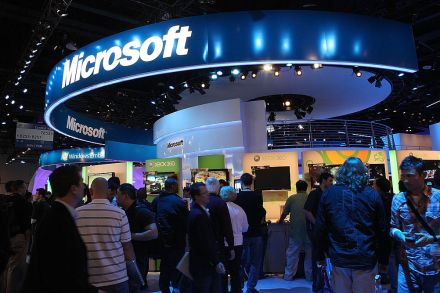
Amid the renewed energy around antitrust enforcement in recent years, one name has been notably missing: Microsoft. The antitrust villain of the 1990s has skated through the ongoing techlash largely unscathed, happy to play the dutifully chastened elder statesman of the tech ecosystem while privately pushing for Google, Facebook, Amazon and Apple to take their lumps. But if Microsoft thought leaning into the techlash would reduce its level of regulatory scrutiny, they appear to be mistaken. The company recently made an all-cash $69 billion bid to buy the video game giant Activision Blizzard, developer and publisher of games like Call of Duty, World of Warcraft and Candy Crush.

Laughing at libertarians as crypto burns

In many countries, tricking stupid people out of money is a crime. In the United States, it’s the basis of a whole economy. Cryptocurrency is the crowning glory of this broken system. You give me a bunch of your real money, and I’ll give you some of my fake money. Fantastic! It’s like tulip mania, only instead of flowers, you get… nothing. The collapse of FTX — the second largest crypto exchange in the world — will cost millions of customers billions of dollars. Some expect it to significantly worsen the recession, though I’m not so sure. If those folks hadn’t wasted their savings on Bitcoin, they probably would have wasted it on some other scam. (Is William Duvane still selling gold?) In theory, this is bad news for the Democrats.

Heading west to escape liberal tyranny

As our nation navigates a “return to normalcy” in a post-Covid world, one return most workers won’t be making is to the office. And as an estimated 40.7 million American professionals plan to be working fully remotely within the next five years, expect the great political divide to widen as liberals and conservatives move farther apart, both ideologically and physically. With working from home becoming the norm, “home” for many people is changing. “Anywhere from 14 to 23 million Americans are planning to move as a result of remote work,” an Upwork.com study taken at the height of the pandemic found. “[N]ear-term migration rates may be three to four times what they normally are.” Where are workers moving to? Away from cities, for starters. A majority (52.

Fight for the right

Sohrab Ahmari Modern American conservatism is composed of three distinct traditions: libertarian economics, foreign-policy hawkism and social traditionalism. This “fusion” was born of a contingent historical moment, the Cold War, when the Soviet threat forced different social classes and their ideological spokesmen to band together in common cause. There was no eternal principle demanding that these groups tie their destinies together — a fact that became apparent with Donald Trump’s rise, which divided the three camps along various axes of alliance and enmity. Fusionism is dead. Well and truly dead.

conservatism fusionism