Law enforcement

The unspoken logic of the anti-ICE mob

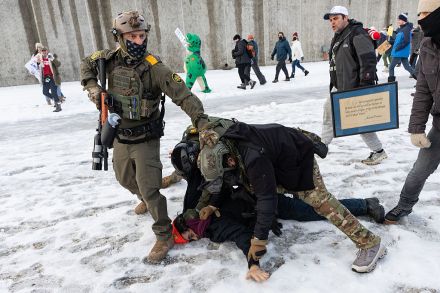
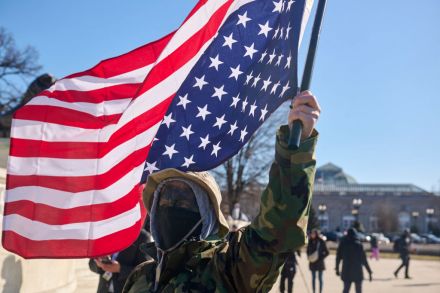
A basic question all Americans should ask themselves before they draw any other conclusions about events in Minneapolis is this: when is it right to interfere with law enforcement? The consequences of doing so are, obviously, potentially grave, even fatal. Obstructing or harassing officers of the law could put their lives in danger as well as yours, and bystanders’ as well. Law enforcement, of necessity, involves risks and the potential for violence, which officers are authorized to use and criminals – or third parties – are not. One side in the Minneapolis turmoil does not accept these premises, or at least doesn’t accept they apply when the laws to be upheld are laws that leftists don’t like.
anti-ICE

Is Antifa a terrorist organization?

One side of the political aisle can only accuse the other of “fascism” so many times before a young, impressionable person subsumed within a social-media echo chamber takes matters into his own hands. This seems to be exactly what transpired in the case of Tyler Robinson: bullet shell casings found at the scene of Charlie Kirk’s assassination were reportedly etched with the words “Hey fascist! Catch!” Robinson seems to have been influenced by Antifa or Antifa-adjacent ideology. In response to the killing, Congress and commentators have renewed calls to designate Antifa a domestic terrorist organization. But this would have little effect. Antifa is a collaboration of autonomous cells with the ostensible goal of opposing fascism and racism.

antifa

Muriel Bowser’s praise for Donald Trump

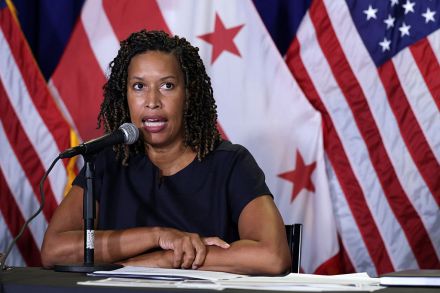
Mayor Muriel Bowser has found herself in the middle of a political tightrope – and it’s one that many Democrats may soon have to walk. In response to rising crime and public unease, the Washington, DC Mayor acknowledged something few in her party dare to admit: that Donald Trump’s federal “surge” of law enforcement officers actually made the city safer.“This federal surge has had a significant impact on crime in Washington, DC, and we greatly appreciate the surge of officers that enhance what MPD has been able to do in this city,” Bowser said at a press conference yesterday.That single sentence captures the dilemma of the modern Democratic party.

Muriel Bowser

The ever-shifting excuses about Hunter Biden’s laptop

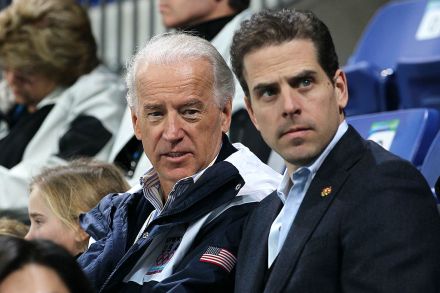
Hunter Biden’s defense about his incriminating laptop sounds like an old joke about a trial lawyer who was accused of letting his dog bite a stranger. The lawyer’s first line of defense was that “it couldn’t happen because my dog was tied up that night.” When told there were witnesses who had seen him walking the dog, he said, “Okay, we were out walking but my dog doesn't bite.” If that fails, then, “Well, yes, my dog did give you a little nip, but it wasn't a bad one.” Then, “Granted, you had to go to the hospital for surgery, but you provoked my sweet pup.” If all else fails, “What do you mean I own a dog?

The cost of decarceration

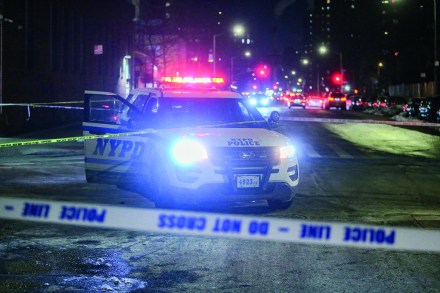
As grown up as I felt at nine, whenever my parents let me walk to school, the corner store or Prospect Park with friends, I’d have been lying through my teeth if I denied sometimes feeling afraid — even in the little slice of Brooklyn I called home. But it wasn’t the New York Police Department or endemic racism that made me anxious. In the 1990s, getting mugged or beaten up in my own neighborhood always felt like more than a remote possibility. That sense of wariness was dull and could easily be forgotten if I was distracted. But it was always there, just under the surface. That anxiety disappeared when we moved to a mostly white town in suburban Long Island. At school, no one looked like me.

criminal

The creeping authoritarianism of facial recognition

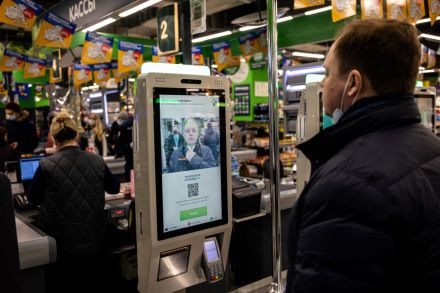
In an effort to lower crime rates, American law enforcement is pushing to combine facial recognition with expanded video surveillance. Politicians worried about their re-election chances due to a perceived crime wave see the expansion as necessary. It’s a sharp swing from 2019 and 2020, when cities like San Francisco and New Orleans were banning or at least enacting limits on facial recognition technology due to privacy concerns. Now, New Orleans plans to roll back its facial recognition prohibition. The Virginia State Senate gave law enforcement a late Valentine’s Day gift by passing a facial recognition expansion bill on February 15 — the Democrats who unanimously approved a ban on facial recognition last year suddenly changed their minds, as did five Republicans.