Korean War

Why was the British army so ill-prepared to fight the second world war?

From our UK edition

Conflict comes highly recommended. Two former chiefs of the defence staff, Generals David Richards and Nicholas Carter, praise it for identifying key lessons from the past appropriate to the future. A former MoD strategic adviser, Sir Hew Strachan, says it will ‘challenge the professional and enlighten the generalist’. The US marine corps general and former secretary of defense James Mattis, ‘the warrior monk’, says it is ‘a clear-sighted assessment of war’s future’. And the late Henry Kissinger called it ‘an exceptional book, written by two absolute masters of their profession’.

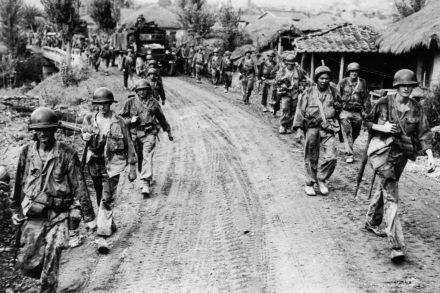
What we learned from the Korean War

July 27 marks the seventieth anniversary of the armistice that ended major hostilities on the Korean Peninsula. Sometimes referred to as the Forgotten War, the last thing the Korean War should be is forgotten. First and foremost because tens of thousands of US and allied soldiers and millions of Koreans died, but also because of the lessons the war offers for policymakers today as the world enters an era not unlike the budding Cold War in 1950.  The first lesson is on the importance of messaging. The world pays attention to what the US says, and Washington’s adversaries pay particularly close attention. In January 1950, secretary of state Dean Acheson spoke to the National Press Club about a perimeter that the US would defend against communist aggression.

korean war