Skip to main content
US EDITION
UK EDITION
US EDITION
US Edition
Sign In
US Edition
US Edition
Home
Writers
Newsletters
Podcasts
Briefings
Events
Club
Archive
Shop
Politics
Cockburn
Culture
Tech
Magazine
Newsletters
Home
Writers
Newsletters
Podcasts
Briefings
Events
Club
Archive
Shop
Coffee House
Politics
Society
World
Data
Economy
Scotland
Culture
Arts
Books
Exhibitions
Film
Music
Radio & podcasts
Television
Stage
Life
Culture
What to watch
Wine & food
Travel
Property
Sport
Style
Health
Magazine
The Week
Features
Columnists
Books
Arts
Life
Cartoons
Puzzles & games
This week's issue
March 2 2026
Politics
Cockburn
Culture
Tech
Magazine
Newsletters
Sign In
Sign In
US EDITION
UK EDITION
US EDITION
Politics
Cockburn
Culture
Tech
Magazine
Newsletters
Home
Writers
Newsletters
Podcasts
Briefings
Events
Club
Archive
Shop
Coffee House
Politics
Society
World
Data
Economy
Scotland
Culture
Arts
Books
Exhibitions
Film
Music
Radio & podcasts
Television
Stage
Life
Culture
What to watch
Wine & food
Travel
Property
Sport
Style
Health
Magazine
The Week
Features
Columnists
Books
Arts
Life
Cartoons
Puzzles & games
This week's issue
March 2 2026
Knowledge
Sunday
June 18, 2023
Peter Wood
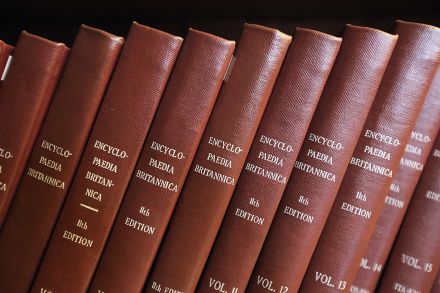
In praise of encyclopedias
Two new books take on the amorphous subject of knowledge