Kenneth clark

Gothic lives matter: BBC2’s Civilisations reviewed

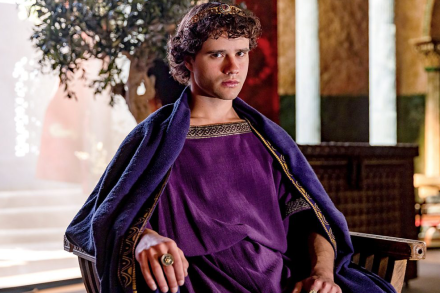
Anybody growing weary of the debate surrounding the BBC’s unexamined assumptions and biases about modern politics might have expected to find some relief in a scholarly documentary about the sack of Rome in AD 410. Sad to say, though, the first episode of Civilisations: Rise and Fall offered very little of it. Of course, it’s not unusual for history programmes to want to prove that the people in the past were Just Like Us. But in this case the parallels drawn/rather desperately imposed were a particularly uncanny fit with those same pesky assumptions and biases.
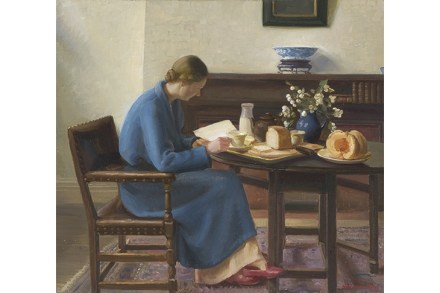
Why should art have ever been considered a male preserve?

‘I’m a lady,’ insists the improbable damozel in David Walliams’s Little Britain sketch. I’m a lady, I kept thinking, reading these two books. More: I’m a lady art historian. Oughtn’t I to like books by other lady art historians about lady artists and ladies in art. Why don’t I? Why so out of sync with the sisterhood? Start with the positive. Jennifer Higgie’s The Mirror and the Palette follows an interesting, original line: ‘If she had access to a mirror, a palette, an easel and paint, a woman could endlessly reflect on her face and, by extension, her place in the world.

The Spectator’s Books of the Year 2020

From our US edition

Our turkeys were stuffed and now we are too. Reclining helplessly in the recovery position, our thoughts turn to feasts future. What better way to show your friends and family that you love them, and also that you have impeccable taste, than sending them a book? In The Spectator’s stocking-stuffing December issue our staff, writers and friends make their seasonal suggestions for Books of the Year: stack upon stack of the most riotous reads, bibliographical beauties and pandemical page-turners. P.J. O’Rourke The Decline and Fall of the Roman Empire, Volume I, by Gibbon, because in this year of scourge and collapsing polity it seemed apposite. And only Volume I, due to reader fatigue after 582 pages and the shift in Volume II to the history of Byzantium.

books of the year 2020