Ken burns

The Killer Angels still sings

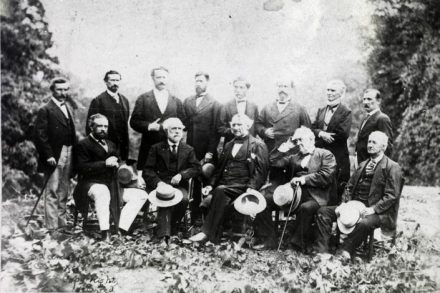
“Very fine people on both sides” was one of the first Trumpisms to enter our national lexicon. In the heady days of 2017, when Donald Trump’s presence in the White House was still a novelty and liberal resistance at its peak, the removal of a statue of Confederate General Robert E. Lee in Charlottesville, Virginia precipitated a full-blown political crisis. Trump, in his inimitable fashion, clumsily suggested that those protesting the statue’s removal had a point, an argument that was widely interpreted as proof of his secret affinity for Confederate sympathizers, white supremacists and other far-right fanatics. In truth, Trump was awkwardly defending a version of the Civil War that has lately been eclipsed in our national consciousness. Is Trump a history buff?

killer angels

Ken Burns’s angry new film

There is probably no American documentary filmmaker more respected than Ken Burns. From his landmark 1990 series about the Civil War to his most recent work that has explored everyone and everything from Ernest Hemingway to country music, Burns has established himself as a fearless chronicler of stories that illuminate the nation’s history, sometimes in ways that viewers might find uncomfortable. His 2005 documentary about the African-American boxing champion Jack Johnson, Unforgiveable Blackness, was a fine example of the filmmaker turning his gaze on a subject that many might have preferred be left obscure, and it won him an Emmy for Outstanding Directing as a result — one of fifteen that he and his films have won to date.

The old man and the documentary

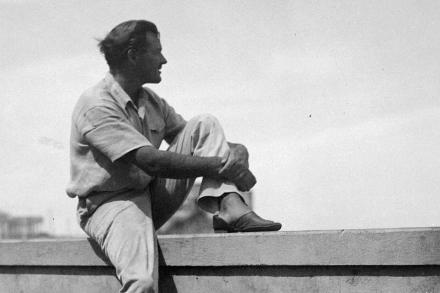
If I had been told that Ken Burns’s next PBS extravaganza would be a documentary film about a 20th-century American novelist and, even more improbably, had been asked to guess his (or more likely her) identity, my last choice might well have been Ernest Hemingway. This is partly because there seem to be so many more eligible Burns subjects (Richard Wright, Willa Cather, F. Scott Fitzgerald, Toni Morrison) but largely because Hemingway, man and novelist, seems especially uncongenial to the Burns sensibility: his fiction doesn’t tell us very much about America; he remains in bad odor in women’s studies departments; his Great White Hunter persona must surely spell a painful three episodes for ‘viewers like you’. First, the bad news.

hemingway