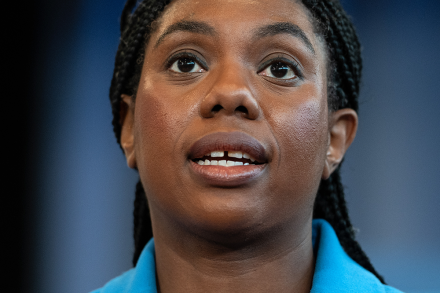
Kemi Badenich

‘Get on board or get out’: Joy Morrissey on Kemi Badenoch’s new Tories

From our UK edition

‘Get on board or get out.’ That, says Joy Morrissey, captures Kemi Badenoch’s attitude to the Conservative party: a categorical rejection of ‘wet Toryism’ and the accommodation of polite liberal opinion. Born and raised in the American Midwest, Morrissey is one of the rising stars of the right. Recently elevated to the Tory frontbench, her political style mirrors her leader: sassy, brash, straight-talking. Handed the equalities brief by Badenoch, the glamorous 45-year-old MP for Beaconsfield is relishing the chance to take the fight to Bridget Phillipson. Morrissey is wary of the rise of ethno-nationalism both at home and abroad For years, the Tories have attacked Labour for its confused position on transgender issues.

Who’s having a worse week: Keir or Kemi?

From our UK edition

20 min listen

It’s bad news all round for Labour and the Tories. An MRP poll out today forecasts that if an election were held tomorrow, Labour would not only lose its majority, but fall behind Reform to become the second-largest party. The Conservatives would be reduced to a mere 46 seats, placing them fourth behind the Lib Dems. But that’s just the beginning of their collective woes. On the Labour side – despite Keir Starmer’s charm offensive and ongoing talks with Labour MPs about potential changes to welfare policy – the number of rebels appears to be growing. The feeling increasingly is that someone might have to go, and calls for ‘regime change’ splash the Times. Is time up for Morgan McSweeney?

Kemi Badenoch now leads the ‘Tinkerbell Tories’

From our UK edition

Market choice has long been an article of faith in the Conservative party. But the Tories are less keen on competition when it comes to their own fate. Traditionally, the party’s historic market share ensured that, after some time in opposition, the pendulum eventually swung back their way. That rule no longer holds true. This month’s local elections offered a painful case study in consumer choice. With five serious parties on offer, just 15 per cent of voters chose to back the Conservatives. Polls suggest that, in a general election, the onetime ‘natural party of government’ would be reduced to barely two dozen seats. ‘Existential’ is the word favoured by many Tories to describe their party’s plight. Inevitably, some want to ‘sack the management’.