Jonathan Franzen

Is the hype for The Bee Sting justified?

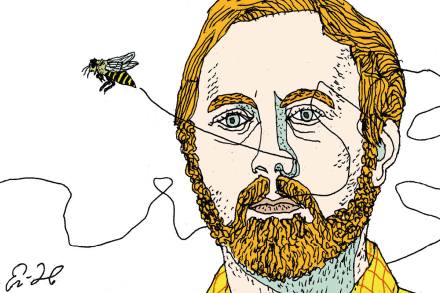
On a recent visit to the bookshops of New York, I found all the usual suspects front and center. If you wanted David Grann, Amor Towles or Salman Rushdie, you had come to the right department; if your tastes veered more toward the Air Fryer Cookbook, that particular whim would be well catered for, too. But the single book I saw on most prominent display everywhere I visited was the new novel by the Irish author Paul Murray, The Bee Sting. A shop assistant in McNally Jackson professed herself an admirer of both writer and work. “I’ve never seen anything like it. We sell a dozen copies a day, sometimes more. It’s hit a chord with people in a way that other books just don’t.
Murray

Has the American novel abandoned God?

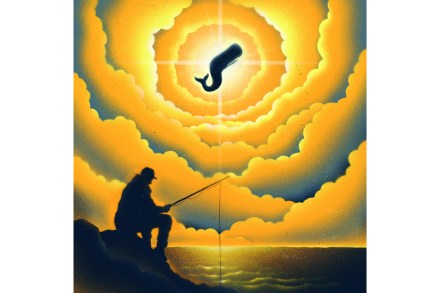
I have always thought “Call me Ishmael” to be a rather camp introduction to a novel. Given the line’s conspiratorial intimacy, I have long imagined it whispered by a drag queen in a dive bar at 3 a.m. This, however, is the fault of my own unseriousness. The resonance of the name Ishmael — Abraham’s illegitimate son by Hagar who is destined to wander the desert — remains the opening example of one of the clearest, cleverest and most consistent of themes in Herman Melville’s magnum opus Moby-Dick, namely, the quest for God. Religion runs through Moby-Dick. We might almost say that the Bible haunts it. There are the names, mostly of Biblical characters, and even the direct invocation of prophets: Ezekiel, Elijah and, of course, the ur-whale wrestler, Jonah.

God

Hilary Mantel — a death before her time

When the Queen died a fortnight ago, it was widely speculated that the perfect writer to describe both her death and its aftermath was Hilary Mantel, but now that will never be. Mantel died from a stroke yesterday at the age of 70, leaving behind a unique legacy in transatlantic literature not merely as someone whose weighty novels about royalty in the Tudor era have sold millions, but as an acute chronicler of our own time, too. Not for nothing is her most controversial short story, The Assassination of Margaret Thatcher, a subversive account of what might have happened if a woman she felt "boiling detestation" for had been killed in 1983.

Getting in touch with my inner groupie

I like to think that I’m too intelligent, too sophisticated and too cultured to get excited by the presence of a famous person. Let the manipulated masses enjoy the bread and circus of celebrity; we enlightened members of the metropolitan elite are far above that sort of thing! Or so we like to think. Whenever I encounter the famous, something very strange happens to me: I go all groupie. I get excited. I giggle. I inwardly drool. I long to please. I want to be their new best friend. I want to tell all my friends about meeting my famous new friend — who isn’t actually my friend, but never mind. I was reminded of my groupie tendencies the other day when I went to the Idler Festival, Britain’s best arts and literary festival. I usually hate those sorts of events.

famous