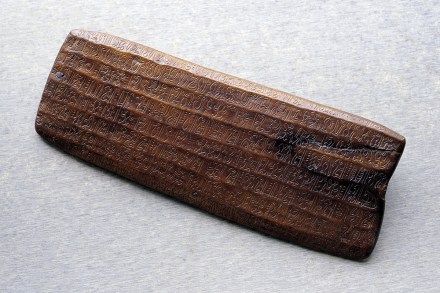
The mystery of Easter Island’s still undeciphered script
From our UK edition
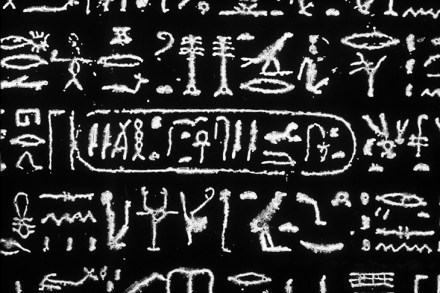
When British and Ottoman forces defeated the remnants of Napoleon’s army in Egypt, General Menou, the Frenchman in charge of Alexandria, was ordered to surrender his personal collection of looted antiquities. ‘Never has the world been so pillaged!’ he moaned unironically. The item which provoked such self-pity was the Rosetta Stone, whose extraordinary value Menou had identified – and publicised in an academic article – two years earlier. When two British officers were sent to collect the stone, Menou challenged one of them to a duel, though he seems to have been talked out of this. The stone was strapped to an artillery cart and began its journey to London, where it resides today as one of the star attractions of the British Museum.