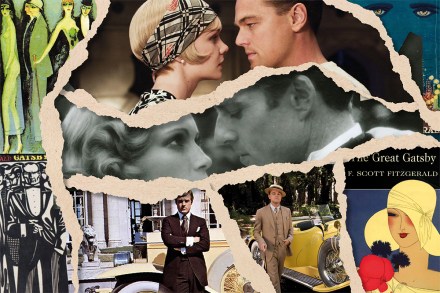
How F. Scott Fitzgerald anticipated our modern age
It has never been easier, or less rewarding, to be a Great Gatsby bore. As the book that is frequently, and speciously, cited as the Great American Novel — perhaps because, at around 180 pages, people have bothered to read it — turns 100 this month, it has become the byword for a certain kind of middlebrow literary appreciation. Even people who are barely aware of the novel know certain images and lines, such as the omnipresent lighthouse, “So we beat on, boats against the current, borne back ceaselessly into the past” and the whole Ralph Lauren-esque visual aesthetic that F. Scott Fitzgerald appeared to anticipate. The novel, published in April 1925, has achieved the impossible by breaking free of the page and reverberating across the world in a kind of endless meta-narrative.