Japanese

Masa Son: the world’s most reckless investor

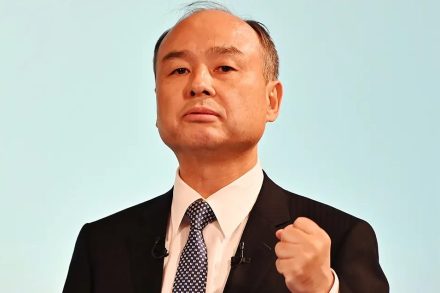
For a few days in February 2000, Masayoshi Son was the richest person in the world. A risk-taker and showman, universally known as Masa, he had long been disdainful of Japan’s staid "salaryman" business culture and was riding the wave of dot-com mania. His company SoftBank, founded in 1981, had bet big on the growth of online shopping. The bullish mood didn’t last, and Masa slunk away from the limelight — but only for a while. A techno-optimist, the now sixty-seven-year-old has repeatedly reinvented himself, urging doubters to see beyond the immediate: "You’re limiting your field of vision to thirty years… Start bold and think 300 years ahead.

Masa

Why Japan won’t repeat the West’s mistakes on immigration

Japan has become another piece of fodder for the West’s culture wars. After a recent visit with his family, talk-show host Jimmy Kimmel praised the country for its clean toilets and lack of litter, only to be lambasted by right-wing pundits such as Ben Shapiro, who accused the comedian of having leftist beliefs that are completely at odds with what makes Japanese society so safe and orderly. Namely, Shapiro argued, Japan is a closed-off nation, unpersuaded by arguments to allow mass migration, and its homogeneity and “unique culture,” along with a strict legal system, help sustain this “package deal.” During the height of the Syrian refugee crisis nearly a decade ago, amid intense international criticism, Japan refused to accept asylum seekers from the Middle East.

Japan