James

What’s happened to the trade paperback?

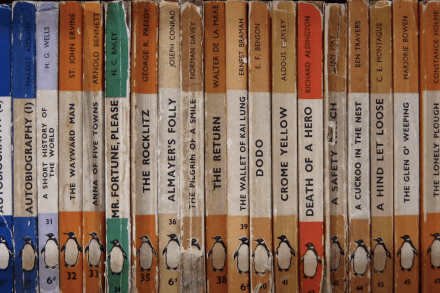
What’s happened to the trade paperback? To my thinking, it provides the most pleasurable reading experience in the world. And yet it’s virtually disappeared. Trade paperbacks are the paperback versions that became ubiquitous during the latter half of the 20th century. They’re typically larger than mass market paperbacks and publishers print them on nicer paper. There’s also something amenable about the way a trade paperback’s covers give that makes for an optimal reading experience. It’s not like my world falls apart if I have to read a hardcover – which would surely happen if I ever had to read an ebook – but I can avoid a book for a long time if it means I’ll eventually wind up with the trade paperback version to read. Hardbacks strike me as unforgiving.
Letters: Leave our soldiers alone

From our UK edition

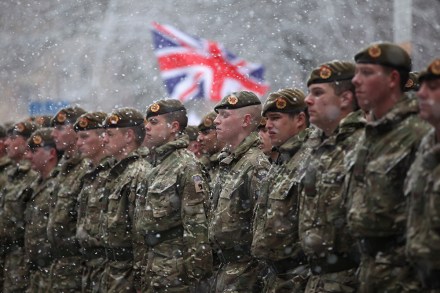
Military farce Sir: Your leading article (‘The age of realism’, 1 March) argues that the government must invest in the UK’s ‘thinned-out infantry ranks’. This is certainly true, but it does pass over, in my view, the more fundamental issue of the broken recruitment system. My own application to join the Royal Air Force was rejected on the basis that my mother is Polish. Given that Poland is an ally, this seems a curious justification for disqualification. I was born and educated in London, my mother having moved to the UK with my English father 30 years ago. Clearly I am not a security threat, but because ‘computer says no’, I will never be able to enlist. It is, then, with amusement and some frustration that I often read of the ‘recruitment crisis’.