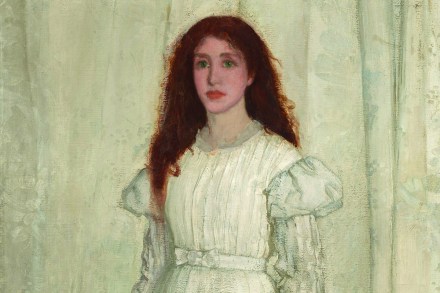
The notorious feud between John Ruskin and James Whistler
It was too dark to see, and the painting was upside down. In 1877 John Ruskin, the leading art critic of Victorian England, attended an exhibition that included paintings by the American-born artist James Abbott McNeill Whistler. He hated them — and said so. In print. “I have seen, and heard, much of Cockney impudence before now; but never expected to hear a coxcomb ask two hundred guineas for flinging a pot of paint in the public’s face.” Whistler sued. The following year the argument came to court, on a dark day in a gloomy and gaslit courtroom. The canvases that Ruskin had so disliked were propped up against a wall and barely visible; one was the wrong way up, and another was dropped unceremoniously onto an elderly gentleman’s balding head.