James Bennet

Is the New York Times’s Gaza mayor op-ed worth condemning?

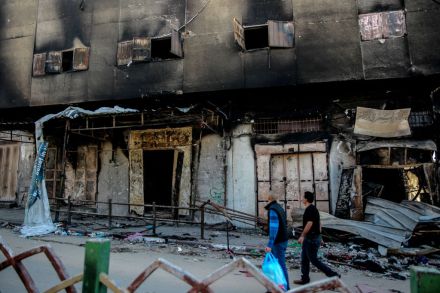
If there is one thing the New York Times is good at these days, it's offending the public. Conservatives are often enraged at the Gray Lady from the sidelines, while its subscribers feel betrayed by anything the paper publishes from right of the center-left. This year, the Times wrapped up a particularly offensive Christmas gift — an op-ed by Gaza City mayor Yahya R. Sarraj condemning the Israeli military.   The Times published Sarraj’s essay, “I Am Gaza City’s Mayor. Our Lives and Culture Are in Rubble,” on Christmas Eve. According to the city’s mayor, Israeli’s bombardment of Gaza has resulted in more than 20,000 deaths and the destruction of Palestinian cultural institutions.
gaza city

Free speech folly at the New York Times

I suppose we should be grateful that the New York Times has finally come out in favor of free speech. After more than four years of hysterical denunciations of anyone who questioned the tactics, rhetoric or punishments employed by #MeToo, Black Lives Matter or transgender activists — some of which were inspired by the Times’s own reporting and editorials — America’s “paper of record” has apparently become woke to the problem of mob intimidation and its deleterious impact on what the mainstream media likes to refer to as “robust” democratic debate.

new york times

The New York Times has no editorial policy

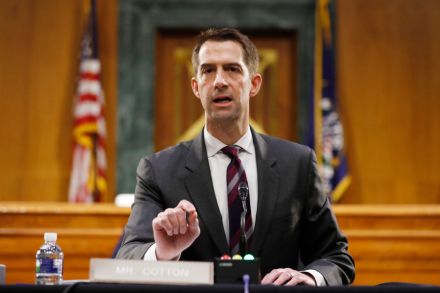
The New York Times put many lives in danger in June when it published an op-ed from Republican senator Tom Cotton, advocating for President Trump to send the National Guard into several riot-torn cities. At least that’s what several of the paper’s employees claimed, both in an open letter to the paper’s editor and the editor of the opinion board. Cotton wrote threatening words such as ‘Some elites have excused this orgy of violence in the spirit of radical chic, calling it an understandable response to the wrongful death of George Floyd. Those excuses are built on a revolting moral equivalence of rioters and looters to peaceful, law-abiding protesters. A majority who seek to protest peacefully shouldn’t be confused with bands of miscreants.

hong kong new york times

The antifa aesthetic

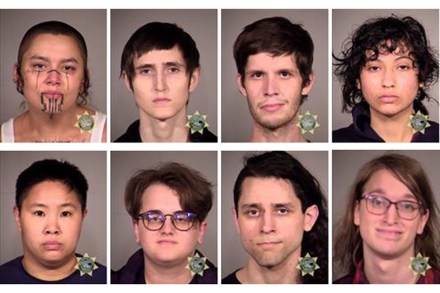
Two months ago, opinion editor James Bennet left the New York Times after, among other things, publishing a senator’s claim that antifa had infiltrated Black Lives Matter protests.Now, two months later, the press doesn’t just admit antifa’s existence. It’s giving them glamorous photo spreads.The Washington Post on Saturday released an essay profiling Portland antifa. The piece never uses the word 'riot'; 'violence' is only mentioned in reference to clashes with the right, not police or besieged courthouse personnel. But the heart of the article isn’t its text. It’s the Post’s determined effort to show that while far-left rioters may claim to be anti-fascism, they are definitely not anti-fashion.

antifa

How the New York Times profits from self-censorship

The recent high-profile departures at the New York Times of editorial page editor James Bennet and opinion writer Bari Weiss have left some on the business side of the news industry scratching their heads. Both exited amid ideological turmoil that Weiss detailed in a letter of resignation to the Times’s publisher A.G. Sulzberger, describing the 'hostile work environment' she endured at the hands of fellow editors and staffers. They were wholly intolerant, she said, of her role as a ‘centrist' at the paper. Bennet, said Weiss, had led the effort after President Trump’s election in 2016 to bring in 'voices that would not otherwise appear' in the Times.

new york times

The fatwa artists

On June 3, the New York Times published a very bad op-ed. By itself, this is not breaking news. The Times opinion page has long been a kind of stagnant water cooler for conventional center-left opinion, a hospice care ward for America’s remaining pleats-panted, open-collar Blairites. Sure, they’ll occasionally publish something interesting — an essay by the deputy leader of the Taliban, for example, or an admission by David Brooks that he once tried the ganja. But generally the Gray Lady’s opiners tend to be tucked in bed by nine, dreaming of the things globalization might accomplish the next day.This piece was not that. It was, first of all, written by a Republican, Sen.

fatwa twitter

As old media squabbles, new media thrives

The traditional newsroom is finally coming to terms with its slow metamorphosis into a college campus, taken hostage by younger progressive activist staffers.When Sen. Tom Cotton was granted op-ed space in the New York Times last week, many of the millennial staff were triggered into issuing social media claims that lives were being put in danger, namely those of their African American colleagues.The fallout has been swift and will have a chilling effect on speech and commentary in major newspapers for years to come. James Bennet, the Times’s editorial director, resigned from his position after defending the paper’s decision to run the column.

campus media

Sources: New York Times not telling the truth about Tom Cotton op-ed

The revolution is eating itself at the New York Times. After the Times ran Sen. Tom Cotton’s call for using the National Guard to quell riots, a riot broke out in the Times’s News department. Although a poll earlier this week found that 63 percent of Democrats ‘strongly’ or ‘somewhat’ supported Cotton’s suggestion, the woke warriors at the Times were truly triggered. On Thursday, some 800 staffers broke the terms of their contracts and publicly denounced their employer. Most demonstrated their fearless individuality by retweeting the same sentence: ‘This article endangers Black @nytimes staff.’There’s no mob without a lynching.

cotton