Italian

Hotel hopping in Rome

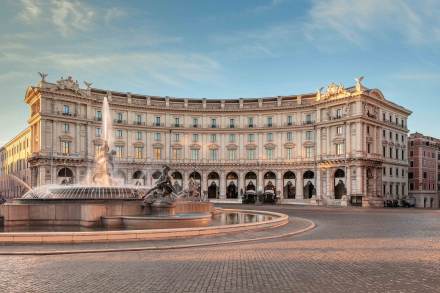
Summer in Rome. Expectation: breathe the soul of the classics, soak up the history, feel the romance. Reality: breathe in the AC, soak in a pool of sweat, feel ever so slightly unhinged. My plans to indulge in Italy’s time-honored tradition of la passeggiata — strolling around looking stylish, gelato in hand — were quickly nixed by the Cerberus heatwave. Dreams of meandering around perhaps the world’s most famous open-air museum gave way to lying recumbent with a handheld fan. Jumping from the relative cool of a sleeper-train carriage onto the platform at Termini station felt akin to opening an oven door and climbing in. Red alert warnings were issued as the mercury soared toward 119°F.
Rome
carbonara

Carbonara in the land of the free

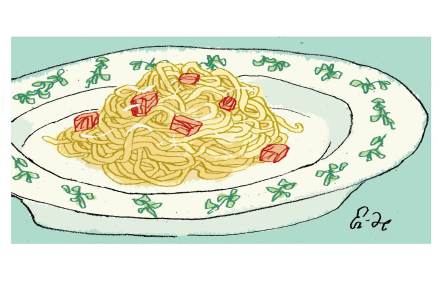
In Texas the customers have opinions, and the opinions are always right, no matter how wrong. It was carbonara that taught me this crucial lesson. The diners at the restaurant where I worked brought the American talent for innovation to modifying what I had always considered a fairly simple, self-contained dish. Can you add fried chicken? Can you add grilled shrimp? Can you add meatballs? Can you add tomato sauce and meatballs? Can you do it without guanciale, without egg, without cheese? Can you do it like normal but put a fried egg on top? Can you replace the guanciale with a fillet of salmon? The answer is always yes. At the time, I was cooking at a neighborhood Italian place in a leafy part of Austin full of well-off old hippies, professional families and Texas politicos.

A translator’s responsibilities are as formidable as a transplant surgeon’s

From our UK edition

When asked what it is we do, translators often resort to metaphors. We liken the act of translation to performing a piece of music, taking on a role in a play, kissing a bride through a veil or building bridges between cultures. But as the peerless Norwegian translator Damion Searls has said, when we sit down to work ‘there’s no metaphor at all really. The metaphors are just for interviews, or for talking with people about what translators do’. In this series of passionate, thoughtful essays, Jhumpa Lahiri uses metaphors, and more especially Ovid’s Metamorphoses, to explore the nebulous, almost ineffable nature of living between languages.